Specifying recycled aggregates: evidence and acceptance criteria
Admin · 22 October 2026
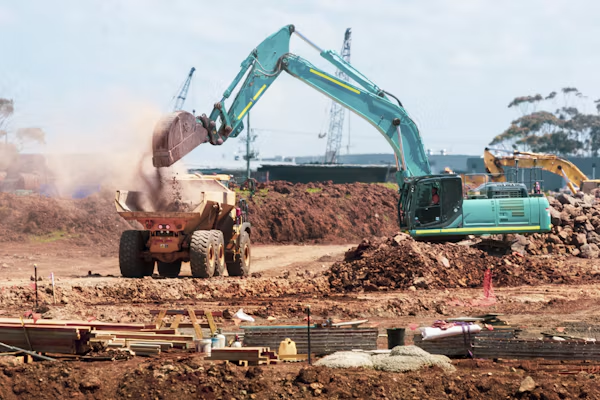 Illustrative image. Photo by Troy Mortier on Unsplash. Unsplash License.
Recycled aggregate procurement needs a defined application and evidence appropriate to that use. A material described as recycled or recovered is not automatically suitable for every construction purpose. The project must understand the source, applicable status and technical characteristics through competent review, then connect the accepted proposal to the supply actually received.
For buyers, the useful role is to coordinate technical, environmental and commercial questions without treating them as interchangeable. A material’s waste status and its suitability for a specified application are different matters. Relevant specialists should establish the applicable requirements, while procurement makes the evidence request and decision route clear.
Define the intended use
Identify the application, location and specification information that governs the material. The designer should establish the relevant technical requirements and evidence. A general request for recycled aggregate gives suppliers too little basis for a meaningful response and can make offers difficult to compare.
Record whether alternatives are permitted and how they will be assessed. A proposed material may require review of associated design or construction arrangements. The buyer should not assume that a familiar trade description establishes equivalence with the specified requirement. Keep the actual product and application connected throughout the review.
Understand the source and supply route
Ask the supplier to identify the material and relevant production source, using the project’s requirements and appropriate advice. Clarify the information supporting the proposal and any limitations. The assessment should relate to the actual supply route rather than a generic example from another facility or earlier project.
Distinguish confirmed availability from an indicative enquiry. The project may need a particular quantity or delivery sequence. Record the conditions under which the supplier can provide it. A suitable technical proposal still needs a credible supply arrangement, while a readily available material still requires the appropriate assessment for the intended use.
Review waste status separately
The Environment Agency’s quality protocol for aggregates from inert waste describes end-of-waste criteria for specified circumstances. Appropriate advisers should determine its current applicability, jurisdiction and any other relevant requirements for the actual supply. The buyer should not infer that every recycled material automatically falls within that route.
Keep the environmental or regulatory review connected to the record without treating it as technical approval for the construction application. A project may need several different assessments. Identify who undertakes each and what evidence or conclusion is required before the procurement can proceed.
Specify evidence before ordering
Ask the responsible technical and environmental reviewers to define the information required with the offer and supply. State those requirements clearly in the enquiry and order through the appropriate process. A broad request for certification may not identify what the reviewer needs to assess the material.
Use stable references for the proposed material and source. Link test or other evidence to the actual proposal and identify its scope and date. The relevant specialists should assess adequacy and applicability. Receipt of a laboratory document should not be treated as a suitability decision without the required interpretation.
Compare complete offers
Review scope, quantity basis and delivery assumptions consistently. An apparently lower price may exclude a necessary activity or use a different description from the enquiry. Identify those differences and obtain clarification through the procurement route. The comparison should reflect what each supplier actually offers, with internal assumptions labelled clearly.
Consider a hypothetical civil works package receiving two material proposals. One includes evidence for the defined application and a confirmed delivery basis; the other provides a broad material description and an indicative price. The buyer should assess the gaps before ranking the totals. The missing evidence is a question to resolve, not a reason to invent equivalence.
Plan receiving and checks
Agree the relevant delivery records and checks with the technical and quality teams. Identify who receives the material, what information they need and how discrepancies are raised. The process should suit the actual delivery pattern and site arrangements. A requirement hidden in an early procurement email is unlikely to support a dependable receiving process.
Where the project requires sampling or other verification, competent specialists should define the scope, method and acceptance arrangements. This article does not prescribe universal tests or thresholds. The package manager should ensure the plan is assigned and communicated before the supply arrives, with the required resources and review route available.
Keep material streams identifiable
Discuss storage, handling and location records at the level the project requires. The relevant teams should determine how the accepted material remains distinguishable from other supplies. The buyer should understand whether the planned logistics arrangement preserves the information and conditions supporting the technical assessment.
If material is moved, combined or otherwise handled in a way that could affect the required evidence, obtain the appropriate specialist review. Do not assume that the initial delivery record answers every later question. Assign responsibility for maintaining the relevant connection between accepted source, supply and intended use.
Control source or product changes
Establish what changes require reassessment under the project’s requirements. A new source or material description may affect the evidence on which the decision relied. Communicate the process to the supplier and site team. Procurement convenience should not result in an unreviewed substitution being treated as the same accepted supply.
The APM change control overview provides general context for controlled decisions. Apply the actual project’s authority and contractual routes, keeping technical and environmental conclusions within the appropriate expertise. Record what changed, what was assessed and what was authorised.
Report environmental benefits carefully
If the project assesses a resource or carbon benefit, use an appropriate methodology and evidence for the actual arrangement. Quantity, processing and other assumptions may matter within the chosen scope. Avoid treating recycled content as an automatic quantified saving without qualified assessment.
Connect the final statement to the material actually used rather than an early option explored during procurement. If supply changes, identify the need to update the assessment. The management summary should preserve consequential limitations so future users understand what the evidence supports.
Retain a usable closeout record
Reconcile the accepted proposal, delivery information and required verification through the project’s quality and information processes. Assign owners to outstanding evidence. The receiving organisation should know the scope and status of the records rather than receive an unexplained set of documents from several suppliers.
Review which questions arose late and what should change in the next enquiry. A clear specification and evidence request can reduce repeated clarification while preserving appropriate technical judgement. Successful recycled aggregate procurement gives the project a defined material for a defined use, with environmental status, technical suitability and supply commitments assessed and recorded through the right people.
Keep review responsibilities visible on site
Tell supervisors and receiving staff which decisions they can make and which concerns need referral. A delivery discrepancy can create immediate pressure, but that does not give an individual authority to decide technical suitability or regulatory status outside their role. Provide clear contacts and a practical process before the first supply. The response should preserve the factual evidence while the appropriate people assess the issue.
Use an early delivery to test whether the information trail works. Ask the team to connect the received material to the accepted proposal and identify the records required. If the exercise reveals an unclear description or missing reference, correct the process with the supplier and reviewers before volumes increase. This is a useful administrative and coordination check; it does not replace any technical verification specified for the material. Retain the improvement so later shifts and new staff follow the same understood arrangement.
Keep the accepted source reference visible when the order is amended, and confirm whether the relevant reviewers need to assess the revised supply.