Site safety observations: turning reports into corrective actions
Admin · 22 October 2026
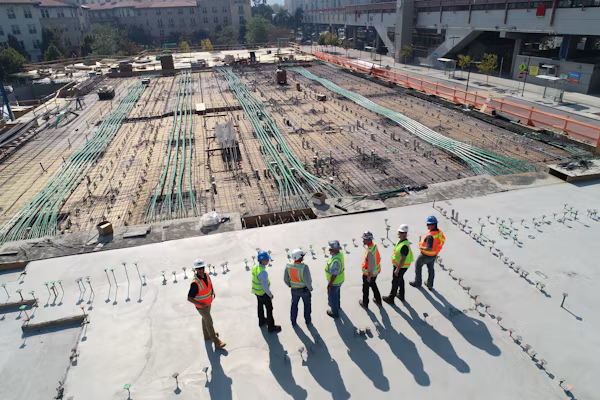 Illustrative image. Photo by Scott Blake on Unsplash. Unsplash License.
A safety observation system is useful when it helps the responsible people understand a concern and act appropriately. A growing count of submitted cards or digital entries does not establish that the project has resolved the issues raised. The management process needs a clear route from report to assessment, action and communication back to the people affected.
The system should support the site’s established procedures, including the arrangements for urgent concerns. It must not encourage someone to wait for a routine dashboard review where the situation requires an immediate response under those procedures. Competent people determine the appropriate action; the reporting workflow helps the information reach them and preserves what happens next.
Explain the reporting routes
Workers and supervisors need to know how to raise a concern and whom to contact. HSE’s construction worker guidance provides relevant context for reporting risks and cooperation. The project should establish clear arrangements suited to the actual work, with communication needs and access to support considered.
Distinguish the observation system from other applicable incident, emergency or statutory reporting processes. The responsible advisers should establish the relationships and requirements. A general app should not be presented as completing every reporting obligation automatically. People need an understandable route rather than several overlapping systems whose purposes are unclear.
Collect enough factual information
A useful report identifies the location, activity and concern in terms the receiving team can investigate. Ask for relevant facts without requiring the reporter to diagnose the technical cause. A photograph may help where appropriate and permitted, but it needs context. The system should not encourage behaviour contrary to site rules simply to obtain an image.
Keep the form proportionate. Excessive mandatory fields can make reporting difficult or encourage guessed entries. Test the process with the people expected to use it, including those needing communication support. The aim is a clear account that reaches the right person, not an administratively perfect record that discourages genuine concerns.
Assign a competent assessment route
Identify who reviews incoming reports and how they reach the responsible manager or specialist. The person administering the platform may not be competent to determine the technical response. Establish cover for absence and the process for consequential exceptions. A report should not remain unattended because its usual owner is on another project.
Use the project’s actual arrangements to determine urgency and action. The workflow can record the status, but it should not substitute a simplistic score for competent judgement. If further information is needed, obtain it through an appropriate route. Preserve uncertainty rather than force a definitive classification from incomplete facts.
Make the action specific
Record what needs to be achieved, who owns the response and the relevant timing. The action should follow the competent assessment and applicable procedures. A broad instruction to improve housekeeping or communicate better may not explain the actual outcome required. Specificity helps the owner act and the reviewer verify completion.
Distinguish immediate action from further investigation or prevention. The site may address the observed condition while another process issue still needs review. Keep those actions linked but separate enough that one completed task does not conceal the other. The project needs a truthful account of what has been resolved and what remains.
Review cause where appropriate
For recurring or consequential concerns, examine the conditions that produced the observation. Involve relevant workers and process owners through the appropriate management arrangements. The cause may concern information, resources or coordination rather than only individual behaviour. Let the evidence guide the inquiry rather than selecting a familiar explanation from a dropdown.
A hypothetical team repeatedly reports materials obstructing an agreed route. Moving the items may resolve each instance, but the recurring cause could involve delivery timing or undefined storage ownership. The responsible team should investigate and decide the appropriate response. Repeating a reminder without examining the pattern may leave the same condition in place.
Verify closure against the outcome
Agree what evidence is needed to confirm the action and who reviews it. An owner marking complete is not necessarily enough for every concern. The responsible team should determine the appropriate check. Keep the work location and relevant records connected so the reviewer knows what the evidence describes.
Where the action changes an arrangement or instruction, confirm that the approved change reaches affected people. A revised document in a central folder may not alter practice at the work front. Use the project’s communication and information controls. Closure should reflect the relevant outcome rather than the completion of an administrative step alone.
Provide feedback to the reporter
Explain the response through an appropriate channel, including where assessment remains ongoing. HSE’s worker involvement guidance provides context for engaging people in risk management. The project’s feedback process should help people understand that concerns are considered and how their information contributes to decisions.
Respect confidentiality and the organisation’s personnel information controls. Public dashboards or meeting discussions should not expose unnecessary personal detail. The management team needs a usable record without creating an informal league table of reporters or people named in observations. The process should encourage accurate reporting and constructive learning.
Review repeated closures
If the same concern returns after several actions are marked complete, examine the closure evidence and the explanation of cause. The project may have corrected the visible condition without changing the process producing it. The responsible team should decide what further assessment is needed and who can influence the relevant arrangement. Do not simply reopen the same action with a stronger reminder.
Keep the linked events traceable so reviewers can understand the pattern without treating every report as an isolated case. At the same time, preserve differences in location, activity and circumstances that may matter to interpretation. A useful trend review considers similarity and context together.
Interpret trends carefully
An increase in observations may indicate more concerns, better reporting access or a change in workforce and activity. A decrease may have several explanations too. Do not claim improved safety from counts alone. Review definitions, context and the quality of response with the responsible team before drawing a conclusion.
Look for repeated issues whose actions have not addressed the underlying condition. Compare similar situations using consistent categories and sufficient detail. The purpose is to identify management questions and improvements, not reward a target number of reports. Numerical targets can distort behaviour if they become more important than the usefulness of the information.
Maintain the system through project changes
Review routing, contacts and reporting access when packages or supervisors change. New participants need to understand the current process, and outgoing staff should hand over open matters. A system can appear operational while notifications still go to someone who has left. Assign ownership for keeping the workflow current.
Test the route periodically with a representative scenario through the proper management process. Check that the report reaches the right owner and that the outcome is communicated. This can reveal practical gaps before a real concern depends on the exchange. Keep the test proportionate and avoid interfering with live reporting or emergency arrangements.
A useful observation process connects people raising concerns to competent assessment and verified action. It preserves the distinction between reporting activity and improved conditions, with feedback and learning built into the workflow. That gives project leadership a more meaningful account than a dashboard of submitted and closed entries whose practical effect nobody has checked.
Review the reporting experience with workers and supervisors. Their feedback can identify an inaccessible form, unclear response or missing support route that management statistics alone would not reveal.














