Retrofit project briefs: defining outcomes before selecting measures
Admin · 22 October 2026
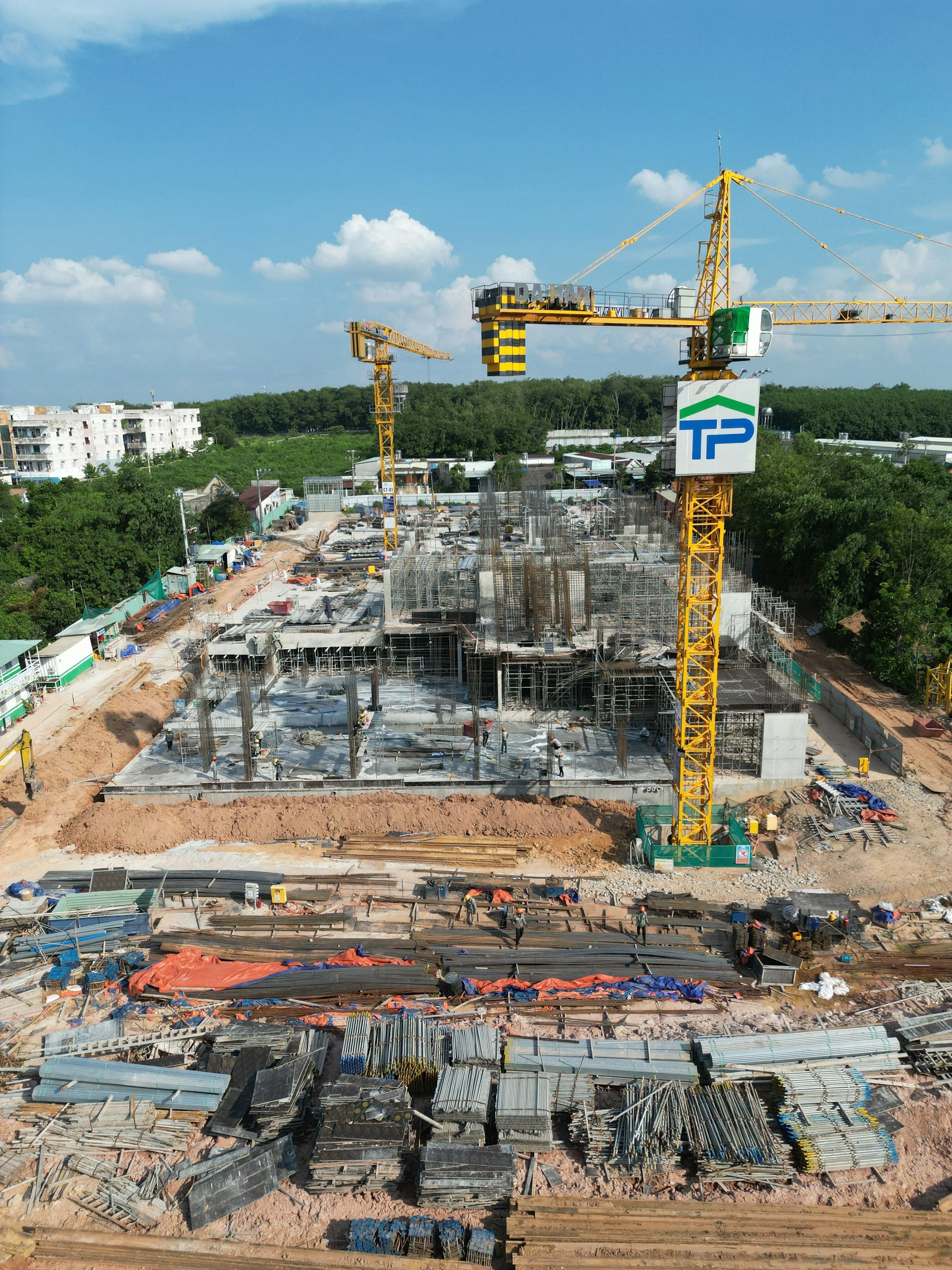
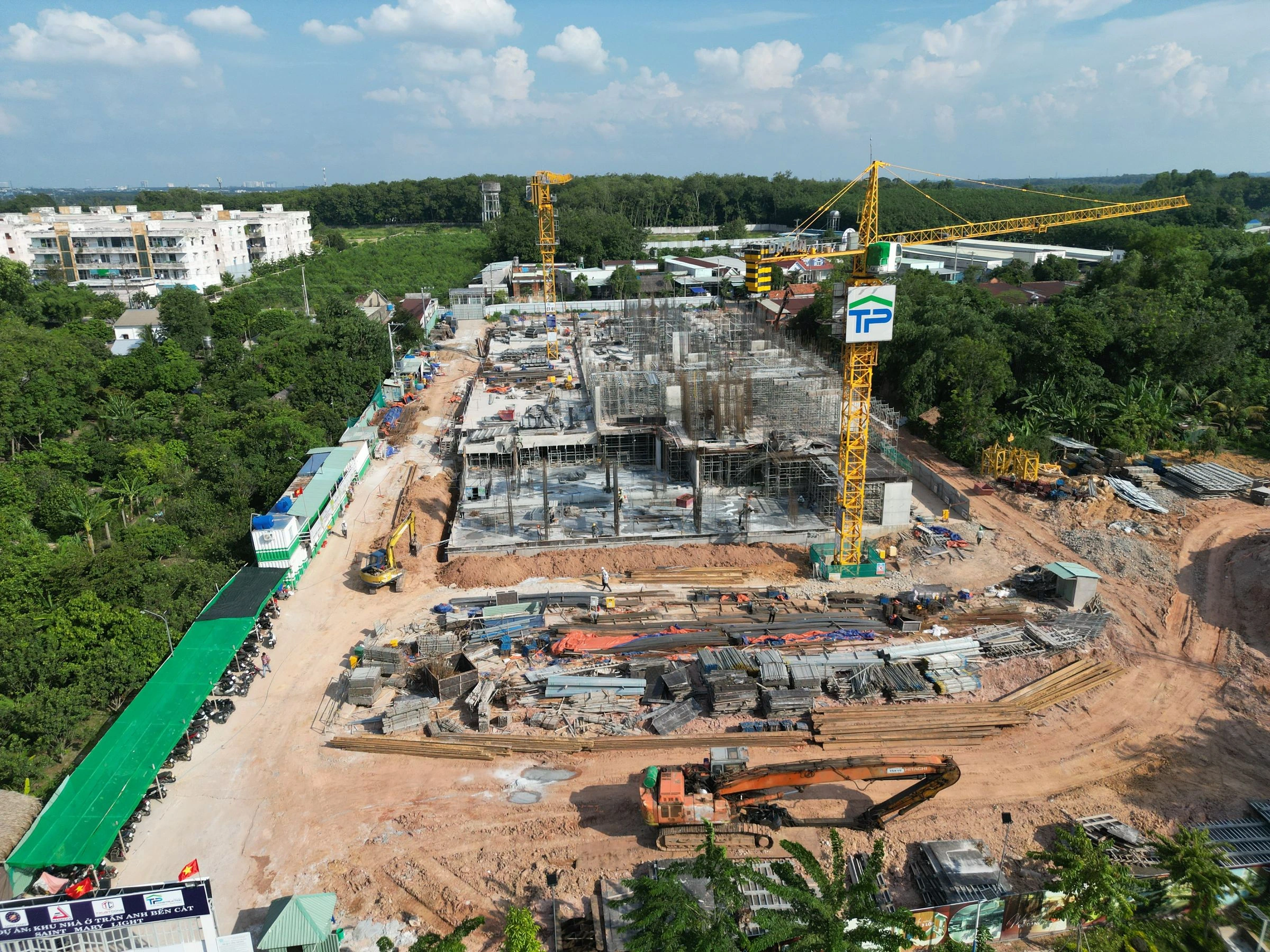
 Illustrative image. Photo by GN Group on Unsplash. Unsplash License.
A retrofit proposal often begins with a measure: replace equipment, improve insulation or install a new control system. The measure may be sensible, but it should follow an understanding of the building and the client’s objectives. Without that foundation, the project can optimise one part of the asset while leaving the underlying operating problem unresolved or creating new interfaces that were never assessed.
For owners and project managers, the brief should define the outcomes sought, the evidence available and the constraints within which options must be developed. It is a decision document as well as a design input. Its purpose is to help the team investigate the building coherently, compare credible interventions and identify what needs to be learned before a particular solution is committed.
Describe the problem in operational terms
Ask what is prompting the project. The client may be responding to poor comfort, unreliable systems, operating demands or an asset strategy. Several objectives can coexist, but their priorities should be explicit. A general aspiration to improve sustainability gives designers little basis for resolving trade-offs. Describe the outcome the organisation expects to experience and identify who can confirm whether it has been achieved.
Gather views from facilities staff and users as well as the asset owner. They may describe patterns that the initial brief misses, such as problems at particular times or in particular areas. Record observations carefully and avoid treating every complaint as proof of a single technical cause. The relevant specialists should investigate the evidence before the project fixes the remedy.
Establish what is known about the building
Compile available drawings, maintenance information, operating records and previous investigations. Record their date, coverage and limitations. Existing information can guide the next questions without representing current conditions accurately in every respect. Ask competent advisers to identify the surveys and assessments needed for their work, with commissions that explain the intended decision and the required output.
Keep missing evidence visible in the brief. If the team does not yet understand a construction detail, system condition or operating pattern, state the question and the owner of the investigation. This prevents assumptions from quietly becoming requirements. Prioritise evidence according to its capacity to change the option choice or the scope, rather than simply collecting more information in every area.
Define performance and measurement together
A target needs a clear boundary and a credible way to assess it. Ask the relevant specialists to establish the appropriate measures, baseline information and evaluation approach. Explain the operating assumptions that affect interpretation. A result from one occupancy pattern may not be directly comparable with another, so the brief should identify how changes in use will be considered.
Distinguish design predictions from measured outcomes and from contractual commitments. These may be related, but their meanings and responsibilities differ. The project’s advisers should help the client establish suitable requirements and agreement terms. Avoid wording that implies a guaranteed operational result when the assessment is a prediction based on assumptions still controlled by several parties.
Use a whole-building view
Ask how proposed interventions interact with the existing fabric, services and operation. A measure affecting one part of the building may alter the conditions relevant to another. The appropriate specialists should assess those interactions. The brief should require coordinated advice rather than invite separate product proposals that assume someone else has considered the connected effects.
For historic buildings, Historic England’s whole-building approach provides relevant context for considering performance and the building’s particular characteristics together. Its scope should be respected. A project still needs building-specific advice and the relevant approvals; a general principle is not a technical specification for every property.
Identify occupation and delivery constraints
Describe whether activities continue during the works and what disruption the organisation can accept. Identify sensitive periods, areas and operational dependencies. Obtain the operator’s input rather than assume a shutdown will be available. The project should know which restrictions are firm and which are preferences that could be reconsidered if the benefit of another arrangement is demonstrated.
A hypothetical office retrofit may be planned around weekend working to preserve weekday activity. The team should test what that means for access, information, supervision and the sequence of connected work. If a system needs a longer interruption, the client requires a decision before procurement. The brief should expose that question rather than leave a supplier to discover the conflict after appointment.
Compare packages of measures
Ask the design team to develop options on a consistent basis, with the relevant technical assessment. Some measures may depend on others or suit a particular sequence. Record what each option includes and what it assumes about the existing asset. Avoid comparing a complete intervention package with a limited equipment replacement as if their boundaries and outcomes were identical.
Include a proportionate account of operation, maintenance and future change. Ask what support the proposed arrangement requires and whether the client can provide it. Where a claimed benefit depends on different management or user behaviour, make that dependency explicit. The client can then decide whether the operating commitment is credible rather than accept it as an invisible condition behind the proposal.
Plan decision points and responsibilities
Identify the decisions needed as the evidence develops. These may concern investigation, option selection, procurement and the release of work. Give each an owner and link the required date to its consequences. A programme that includes only construction dates can miss the client choices and technical reviews that determine whether the project is ready to start.
Define how changes to the brief will be assessed. New findings may justify a different scope, while new business requests may add requirements. Record the reason, affected outcomes and relevant advice before approval through the project’s actual processes. Keeping the baseline and change history clear helps the team understand what it is now expected to deliver and why.
Include handover and performance follow-up
The brief should describe the information and support needed for the client to operate the altered asset. Identify training, records and demonstrations through the appropriate specialist advice. Assign responsibility for providing and reviewing them. A technically completed installation can still disappoint if the operator lacks the information or capability needed to use it as intended.
Agree how performance will be reviewed after occupation, including the roles and information required. Identify the questions that need seasonal or operational evidence and how findings will lead to action. Do not imply that monitoring alone resolves a shortfall. Someone must interpret the results, distinguish causes and obtain the relevant advice before selecting a response.
Keep the brief usable throughout delivery
Maintain a concise account of the objectives, accepted option, assumptions and unresolved matters. Link it to the controlled technical information rather than copying every detail into several documents. Incoming team members should be able to identify the project’s priorities and the evidence behind them without relying on the memory of the original workshop participants.
A strong retrofit brief leaves room for investigation while preserving the client’s intended outcomes. It helps the team explain why a measure is proposed, what building evidence supports it and what operational commitments it requires. That shared understanding gives option selection, procurement and later performance review a coherent basis as the project moves from an initial concern to a working building.
Retain the options not selected and the reasons for rejecting them. If later evidence changes an important assumption, the team can revisit the comparison efficiently. A short decision record also prevents an unsuitable option from repeatedly returning simply because the people involved in the original assessment have moved to other work.