Managing interfaces between civil works and building services
Admin · 22 October 2026
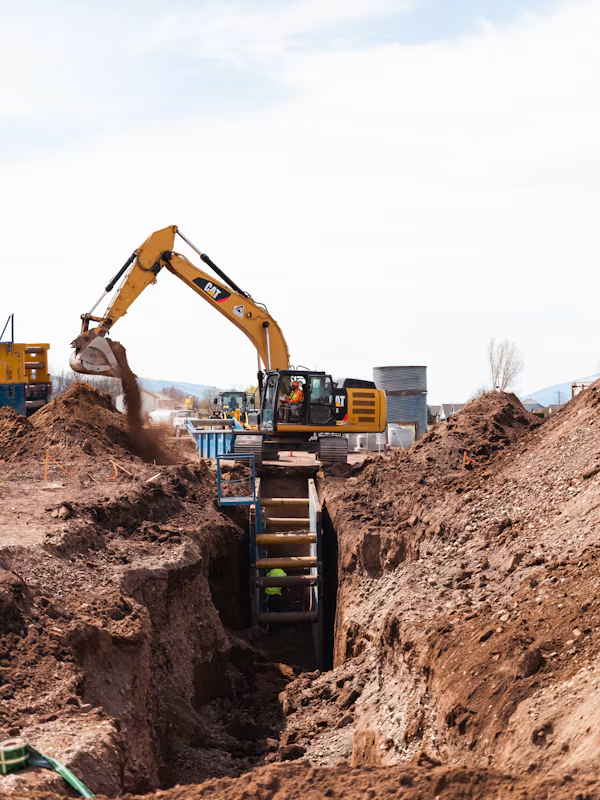 Illustrative image. Photo by John Kakuk on Unsplash. Unsplash License.
Interfaces between civil works and building services can fall between design and delivery packages. A drainage connection may appear on one drawing, a plant connection on another, and the work needed to join them may remain unassigned. The resulting problem is not always a lack of technical knowledge. It can arise because the project has not defined what information, physical work and acceptance evidence must pass between the teams.
For project managers, the useful response is an interface process linked to actual decisions and handovers. It should identify the boundary, name the parties involved and establish what each must provide. Technical solutions remain the responsibility of the relevant specialists. The management process ensures their work connects coherently and reaches the site before the affected activity begins.
Map the boundaries that matter
Start with systems and locations where civil and services responsibilities meet. These may include incoming utilities, below-ground drainage, equipment bases, ducts and connections through external works. Use the project’s actual scope rather than a generic checklist alone. Walk the boundary with designers and package leads, asking where one party expects another to provide information or complete work.
Break broad interfaces into manageable questions. A single utilities row can conceal separate matters concerning routes, levels, connection details, access and testing. Identify the outputs needed to resolve each consequential issue. The aim is to reveal dependencies, not to create a register so detailed that nobody can maintain it or identify the next decision.
Agree the reference information
Confirm the shared basis for locations, levels and other relevant reference information through the project’s established procedures. Identify the controlled documents or models and their current revisions. If the civil team and services team work from different assumptions, a coordinated-looking drawing may still contain a mismatch. Make provisional information and its limitations visible.
Where existing assets are involved, record the evidence available and what requires verification. A record drawing, survey and physical observation may have different coverage and confidence. The relevant specialists should determine proportionate investigations. The interface register can then show which decisions depend on their results and when those results are needed.
Assign information exchanges
For each interface, name the party supplying information and the party using it. Describe the required output clearly enough that both understand the exchange. Equipment loads, connection locations or installation requirements may need to reach a civil designer before details can be completed. Record the status and latest useful date for the input, with time for review.
Avoid using coordinate with others as the only allocation. The instruction may be well intended, but it leaves the expected action unclear. Identify who initiates the discussion, who resolves the technical question and who confirms the resulting information is reflected in both packages. Where contractual scope is ambiguous, refer it to the appropriate commercial and professional advisers.
Check the physical handover
Define what the receiving package needs before it can proceed. This might involve a completed base, an accessible route or a connection point with specified evidence. The relevant technical and quality teams should establish the actual criteria. The project manager’s role is to ensure those criteria are agreed, communicated and included in the sequence.
Consider a hypothetical external plant installation. The civil package completes a base while the services supplier finalises equipment details. The handover needs more than confirmation that concrete has been placed. The parties must establish whether the final arrangement matches the information used, whether required evidence is available and whether remaining work affects installation. These questions should be resolved before the equipment delivery depends on the area.
Build interfaces into the programme
Link information releases, physical work and acceptance activities to the current programme. A package completion date may not reveal the intermediate handover needed by another trade. Identify the sequence and allow time for review or correction. When one activity moves, assess the dependent interface rather than assuming the receiving team can absorb the change.
Use near-term planning to confirm readiness as the handover approaches. Ask whether the expected information remains current and whether the receiving party has changed its requirements. The register should reflect those developments. A boundary agreed months earlier can become outdated when a supplier selection, design revision or procurement arrangement changes.
Coordinate temporary and permanent arrangements
Temporary access, working areas and service arrangements can affect the permanent interface. Identify the relevant responsibilities and obtain specialist input through the project’s procedures. The management review should not improvise temporary works or safety instructions. It should ensure that the necessary assessments and decisions are assigned and completed before the work relies on them.
Where the site remains operational, involve the operator in consequential handovers or changes. A proposed connection sequence may affect ongoing activity outside the construction package. Confirm what disruption is acceptable and what approvals are needed. Distinguish an option discussed by the project team from an arrangement actually agreed with the people responsible for operations.
Control changes across both packages
A change on one side of the boundary should trigger consideration of the other side. If a route or equipment location changes, identify affected details, orders and planned work. The APM overview of change control provides general context for assessing changes to an approved baseline. Apply the project’s actual authority and contractual procedures when deciding and implementing them.
Keep a traceable record of the agreed interface and subsequent revisions. Communicate current information through controlled channels, and confirm that the teams using it understand the change. Updating the register alone does not revise a drawing or notify a supplier. Assign the downstream actions and verify that the affected records now describe the same arrangement.
Define evidence for completion
Agree the records needed to demonstrate that the interface has been completed as required. Relevant specialists should specify the inspections, tests or documents appropriate to the system and work. Identify who provides the evidence, who reviews it and where it will be retained. Avoid leaving the parties to discover different expectations during handover.
Distinguish physical completion from closure of the interface record. The latter may require confirmation that information, acceptance evidence and responsibilities for remaining matters are complete. If work proceeds with an outstanding item, state the condition and owner. The receiving team needs a clear account rather than a green status that conceals an unresolved dependency.
Review recurring gaps
After a significant handover, ask whether the interface process identified the right questions early enough. Note where assumptions differed and which information arrived late. Feed the lesson into upcoming packages, particularly where the same system or boundary repeats. A practical review can improve the next handover while the participants still remember the details.
A reliable interface process gives each team a clear account of what it supplies, what it receives and what evidence closes the exchange. Its success is visible in coordinated information and predictable handovers. The register supports that result by connecting decisions to people and dates, while the relevant specialists remain responsible for the technical work that makes the arrangement suitable.
Make the handover conversation specific
Before an important interface is released, bring the supplying and receiving parties together around the current record. Ask each to describe what is complete, what information it used and what the next activity assumes. Differences in those accounts can reveal a gap that a signed checklist alone has missed. Capture the clarification and update the controlled information where required. The conversation should conclude with a named decision owner for anything still unresolved, so that attendance is not mistaken for an agreement that nobody has actually made.














