Lessons-learned reviews that improve the next project
Admin · 22 October 2026
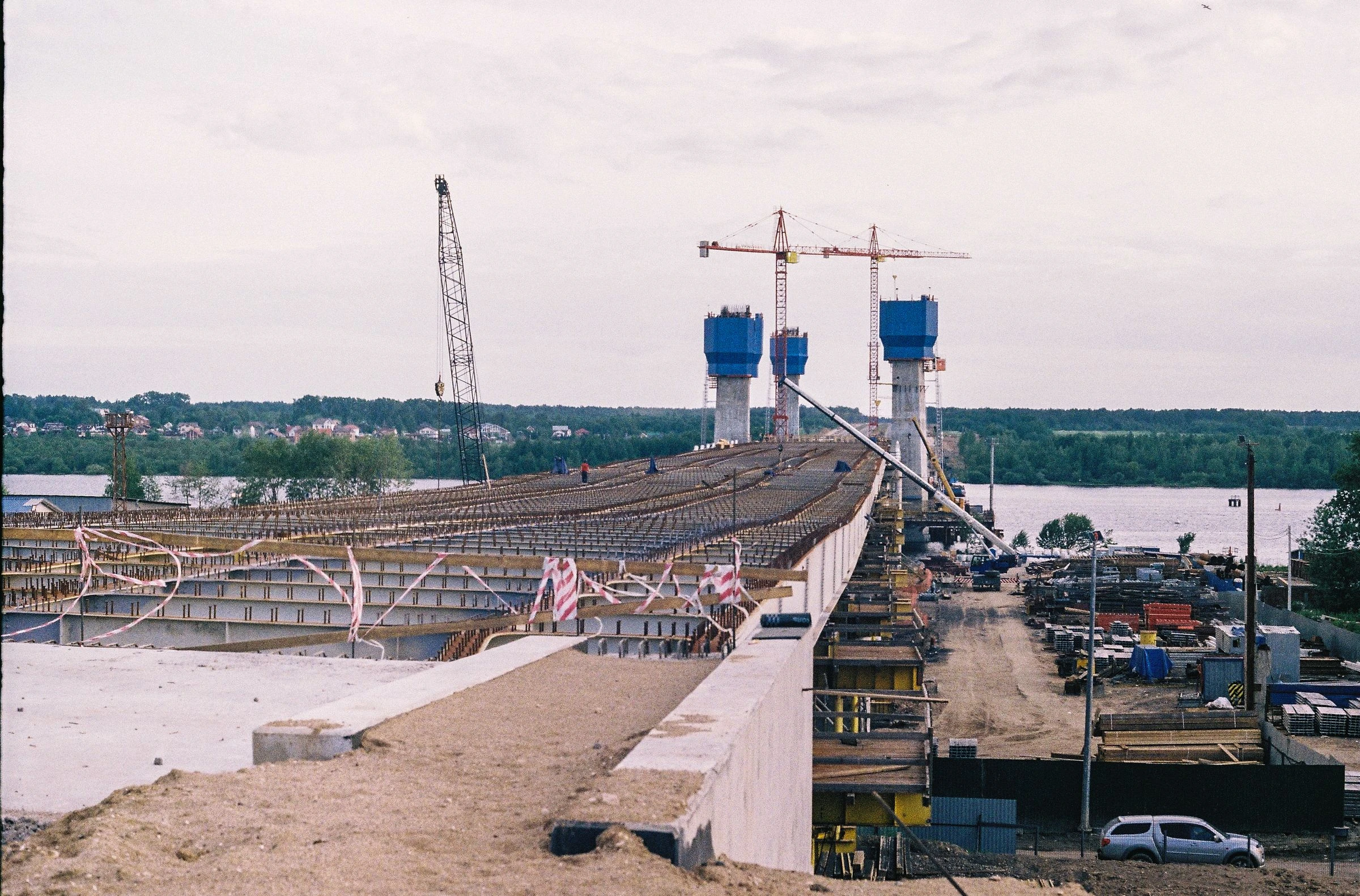
 Illustrative image. Photo by Vitaly Gariev on Unsplash. Unsplash License.
A lesson is useful only when it changes a future action. Construction teams often produce thoughtful close-out reports that remain in an archive while another project repeats the same briefing, procurement or coordination problem. The missing link is usually a named application: who will use the finding, in which process, and before what decision? A review should establish that link while the evidence is still available.
For project directors and business improvement leads, the objective is to understand why outcomes differed from expectations and identify practical changes within the organisation’s influence. The exercise should capture successful approaches as well as difficulties. A review focused solely on mistakes can miss the conditions that allowed a team to solve a problem effectively and that another project could reproduce.
Review at useful moments
Do not reserve every discussion for the end of the project. A package release, mobilisation stage or major handover can provide a useful review point while participants remember the sequence and supporting records remain accessible. Select moments when findings can still influence upcoming work. The timing should reflect the project, rather than a rigid calendar disconnected from meaningful events.
Keep interim reviews focused. A short examination of a procurement package can explore the information basis, supplier engagement and handover to site without reopening every project issue. Record findings that require wider investigation separately. A manageable scope encourages specific evidence and makes it easier to assign actions that can be completed before the next relevant package.
Establish the expectation and outcome
Begin with what the team expected to happen, using the relevant plan or decision record. Then establish what actually happened and where the difference arose. This provides a factual reference and reduces reliance on broad impressions. If the original expectation was unclear or undocumented, record that limitation rather than reconstructing a confident baseline from hindsight.
Use a chronology where the issue crosses several teams. Identify significant information releases, decisions and commitments, with references to the records. A simple timeline can reveal that an apparent site problem began with a much earlier assumption. Keep the detail proportionate: the purpose is to understand the mechanism, not assemble every message exchanged during the project.
Bring the relevant perspectives together
Invite people who understand the activity and its interfaces. Estimating, design, procurement and site teams may each hold part of the explanation. The client or operator may add essential context where the outcome concerns business continuity or occupation. Make the review’s purpose clear so participants arrive ready to examine evidence rather than defend a departmental position.
Use a facilitator able to distinguish facts, interpretations and unresolved questions. Encourage specific descriptions of what was known at the time. The review should avoid assuming that the eventual outcome was obvious to everyone earlier. Decisions need to be understood in the context of the information and authority available, while still identifying where the process could have been better.
Look beyond the immediate symptom
A late delivery may be the visible event, but the underlying problem might concern an unconfirmed specification, a misunderstood lead-time trigger or an order released later than planned. Ask how the sequence developed and which controls were intended to manage it. Avoid stopping at labels such as poor communication, which identify no practical change.
Consider a hypothetical package whose installation was delayed by missing accessories. The review might find that the purchase order described the main equipment but left associated items ambiguous. A useful lesson could concern scope review and the receiving checklist, rather than a general instruction to chase suppliers harder. The proposed action should address the evidenced mechanism.
Distinguish local fixes from reusable lessons
Some findings concern a unique project condition; others apply to a recurring process. Record the context so future users can judge relevance. A method that worked on an unrestricted site may not transfer to an occupied building. Avoid converting one experience into a universal rule without considering the circumstances that made it effective.
Describe each lesson in a compact sequence: situation, evidence, consequence and proposed future action. Identify any limitations in the analysis. Where the explanation remains uncertain, record the additional work needed before changing a wider procedure. This prevents a plausible opinion from becoming an organisational requirement simply because it appeared in a close-out presentation.
Assign an application owner
Name the person responsible for turning the finding into a change. The owner may manage a template, procurement process, training programme or project start-up review. Agree what output is required and when it will be used. “Share with the business” is an activity without a clear consequence; revising a specific review question before the next tender is a more actionable commitment.
Check that the owner has the authority and resources needed. If the proposed change spans departments, identify the approval route and contributors. The project team may identify the lesson while a process owner decides how to apply it more broadly. Keep both responsibilities visible so that the finding is neither lost at handover nor imposed without appropriate review.
Embed the change where work happens
Use existing decision points to make the lesson available. A procurement finding might improve the package readiness review; a handover finding might change the initial information schedule. People are more likely to use guidance when it appears in the process they already follow. A large searchable lessons database can help, but it does not guarantee that the right person finds the relevant entry in time.
Where a template changes, explain the reason and provide a concrete example. Otherwise users may treat the new field as another administrative burden. Review whether the revised process remains proportionate. Adding a control for every isolated incident can create complexity that obscures the most consequential questions and encourages superficial completion.
Verify whether the action helped
At the next relevant project or package, check how the change was used and what happened. Do not equate issuing new guidance with improving performance. The control may need adjustment because the original analysis missed a dependency or because the process is difficult to follow in practice. Retain the evidence so later teams can understand why the guidance evolved.
The Construction Playbook provides wider public works delivery context, including an emphasis on improving industry practice. The review method here is an editorial management approach rather than a prescribed universal procedure. Adapt it to the organisation’s governance and keep formal contractual disputes or personnel matters within their appropriate processes.
Make the record usable for incoming teams
Write the final record for someone who did not attend the project. Explain the context without relying on internal abbreviations or unnamed participants. Link the supporting evidence that can appropriately be shared and identify the current process change. A concise, specific account is more useful than a long list of general statements that any project could have produced.
Retain ownership after the project closes. Someone should know whether the action was completed, superseded or found ineffective. Periodically retire outdated guidance through an agreed review rather than allowing contradictory lessons to accumulate. A successful review produces an understandable explanation and a tested change in practice, giving the next team something concrete to do differently when a comparable situation arises.
Preserve successful conditions
When a team achieves a good outcome, investigate the enabling conditions with the same care used for problems. The result may depend on an early operator decision, a well-timed specialist review or a clear division of responsibilities. Recording only that the team collaborated well gives the next project little to reproduce. Identify the specific arrangement and the context in which it worked, then decide whether it belongs in future start-up discussions or package planning.