Inclusive design reviews: involving building users early
Admin · 22 October 2026
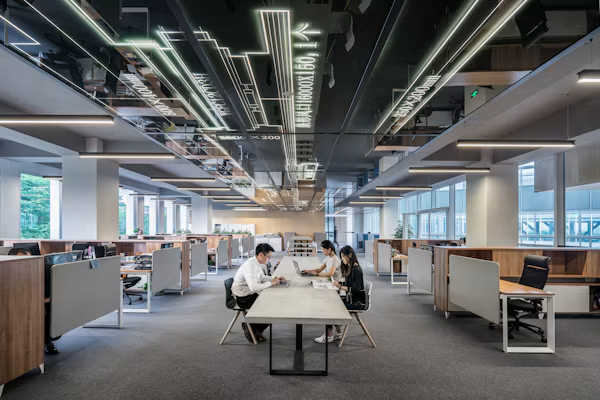 Illustrative image. Photo by LYCS Architecture on Unsplash. Unsplash License.
An inclusive design review is most useful while the project can still respond to the evidence it gathers. Inviting user comments after the layout is fixed can identify difficulties without leaving a practical route to change. Early engagement helps the team understand different journeys, activities and barriers, with competent specialists translating those findings into appropriate design advice and project requirements.
For clients and project managers, the task is to organise meaningful participation and preserve the resulting decisions. A workshop does not replace technical or legal assessment, and one participant cannot represent every possible user. The process should make its scope and limitations clear while giving the design team specific evidence it can investigate and act on.
Define the purpose of the review
Identify the part of the building or user journey under discussion and the decisions it can still influence. These might concern arrival, movement between activities or the use of a particular space. A focused purpose helps participants prepare and avoids a broad conversation whose findings cannot be connected to a project action.
Ask the relevant access and design specialists to help define the review approach. They should identify appropriate technical requirements and the relationship to other assessments. The client should understand what the engagement can establish and what requires further work. Participation is an input to a coordinated process, not a blanket approval of the design.
Consider a range of users and situations
Identify who uses, visits, works in and maintains the building, including less frequent activities. Discuss how needs may vary with circumstances rather than assume every user follows one typical journey. The engagement plan should seek relevant perspectives and explain where representation remains limited. Avoid describing a small group’s feedback as universal evidence.
Choose participation arrangements that are accessible and appropriate for the people involved, with the relevant advice. Ask how they prefer to contribute and what information helps them understand the proposal. The format of the review should not introduce avoidable barriers that prevent the project from hearing the very experiences it hopes to learn from.
Use activities and journeys
Walk through a defined task from the user’s perspective. Identify where information, movement, communication or interaction is required. A plan can show where a room sits without explaining how someone finds it or uses the facilities inside. The discussion should reveal questions for the responsible designers rather than assume that spatial allocation alone establishes usability.
The Department for Transport’s Inclusive Mobility guidance provides relevant context for pedestrian and transport infrastructure. Its scope should be respected, and building-specific requirements need the appropriate specialist assessment. The broader management lesson is to consider the connected journey rather than isolate one apparently accessible element from the route leading to it.
Give participants understandable information
Present the proposal in forms suited to the review, with clear explanations of what is fixed, proposed and still open. Participants should not need specialist drawing knowledge to contribute relevant experience. The design team can provide appropriate aids and answer questions, while acknowledging where the current information does not yet establish a detail.
Distinguish an illustrative representation from assessed technical information. A rendering can support discussion without proving how the completed arrangement will perform. Record the questions it raises and route them to the relevant person. This keeps the engagement honest and reduces the risk of participants believing that a visually complete image reflects decisions already verified.
Record the barrier, not only the suggested solution
Users may explain a difficulty by proposing a particular product or arrangement. Capture the underlying activity and barrier as well as the suggestion. The responsible designers can then assess alternatives and identify technical implications. Treat the proposal respectfully without assuming it is the only or necessarily suitable response to the need.
Consider a hypothetical workplace review where visitors describe uncertainty at arrival. A participant may suggest one type of sign, but the wider question could involve the route, information and reception process. The project should investigate the connected experience with appropriate expertise. Recording only the suggested sign could narrow the response before the problem is properly understood.
Connect findings to accountable actions
Give each consequential finding a clear description, location or activity reference and owner. State what assessment or information is needed to respond. A note that accessibility needs improvement is difficult to close. A specific question gives the design team a basis for action and gives the client evidence for reviewing the response.
Set dates that allow findings to influence the relevant design decision. If the response cannot be obtained before a commitment, explain the consequence and seek the appropriate decision. Do not allow the engagement record to become a separate archive while procurement proceeds on an arrangement the team has not assessed against the issue raised.
Manage competing needs transparently
Different activities and user requirements may create choices that need careful assessment. The relevant specialists and client representatives should explain the options and evidence. Avoid expecting the workshop itself to settle every technical or organisational trade-off. Identify the decision authority and how the conclusion will be communicated.
Record the reasons for accepted and rejected responses, with appropriate sensitivity. A decision should show how the issue was considered rather than simply mark it closed. Where a proposal cannot be adopted, explain what alternative response or further work is planned. This gives participants a meaningful account of the effect of their contribution.
Include operation and management
Some outcomes depend on how the building is used and maintained as well as its physical arrangement. Involve the operator in understanding those dependencies. The design should not assume an unassigned service or support role will always be available. Record the client’s decisions and obtain the relevant advice on their implications.
Identify the information and preparation the operating team needs at handover. A design feature may lose value if its purpose is not understood or a route is later obstructed by another activity. The project should communicate consequential requirements through the agreed operational material, with clear ownership after the construction team leaves.
Review consequential changes
Establish how later design and product changes are checked against the findings and accepted requirements. A substitution or layout amendment can affect an earlier response even when the change appears minor to the purchasing team. Keep the link between the requirement, decision and supporting evidence visible so the appropriate reviewers can assess the consequence.
Where further user review is useful, define its purpose and what has changed since the earlier discussion. Do not imply that repeating a workshop automatically verifies every technical issue. The relevant specialist assessments and project procedures remain necessary. Participation should add meaningful evidence at the points where it can influence the outcome.
Close the feedback loop
Tell participants how their findings were considered and identify remaining actions where appropriate. The form of the response should respect the organisation’s information and privacy arrangements. A clear account of decisions supports trust and makes it easier to obtain useful feedback in later project stages.
After occupation, examine actual journeys and activities through a suitable review process. Distinguish a design issue, operating change and maintenance problem before selecting a response. Inclusive design engagement succeeds when experience informs accountable decisions early enough to matter and remains connected to the building’s use after the project has been handed over.
Agree how findings will be prioritised and communicated before the review begins. Participants should understand the decisions they can influence and the route for technical assessment. Clear expectations make the process more useful and reduce the risk that a recorded suggestion is later mistaken for an approved design commitment.














