Education building upgrades: planning around term-time constraints
Admin · 22 October 2026
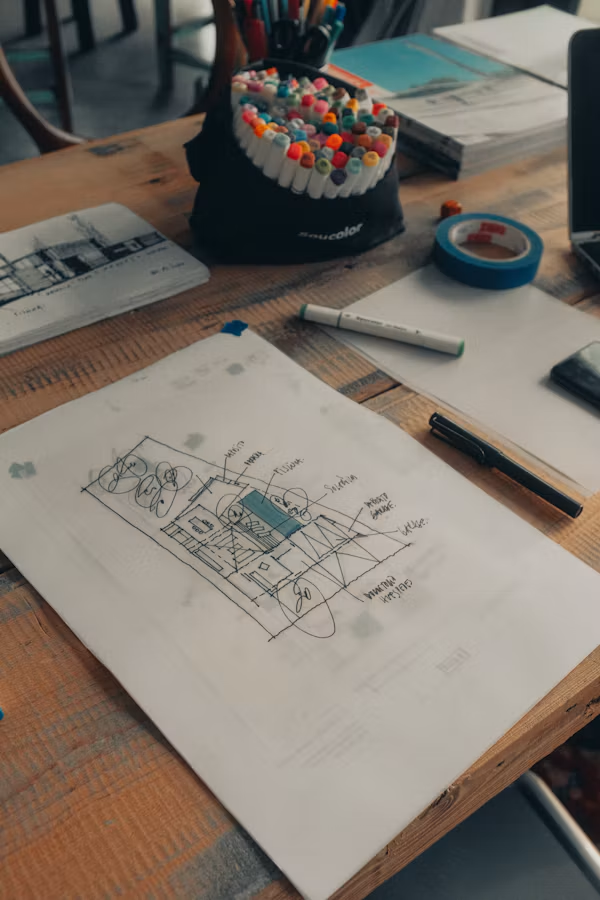 Illustrative image. Photo by Ryan Ancill on Unsplash. Unsplash License.
A school holiday is a limited delivery window, not a complete project strategy. Surveys, decisions, procurement and mobilisation may all need to happen while the school is operating. At the other end, staff need time to prepare spaces before pupils return. Treating the entire break as available construction time can leave an apparently feasible programme dependent on assumptions that nobody has tested with the school.
For responsible bodies, estates teams and project managers, the useful starting point is the educational requirement. Define what the upgrade must achieve and why it is needed. Then establish how the school’s calendar, site arrangements and decision process affect delivery. The project should have a credible route through preparation, works and return to use, with responsibility for each transition.
Connect the project to estate priorities
Record the problem being addressed and the evidence behind its priority. The proposal may concern condition, capacity, accessibility or the quality of a learning environment. Distinguish immediate needs from desirable enhancements and identify related work. This helps the decision maker understand whether the package is appropriately defined or could conflict with another planned intervention.
The Department for Education’s guidance on managing estate projects provides relevant context for schools in England. Responsible bodies should establish the requirements and advice applicable to their own setting. This article suggests a planning workflow; it does not determine technical compliance or replace the organisation’s governance arrangements.
Build a complete school calendar
Ask the school to identify more than term dates. Examinations, induction, staff training, community use and holiday activities may constrain access. Discuss the spaces involved and the periods when disruption would be particularly difficult. Record which dates are fixed, which are provisional and who can approve a change. A vacant classroom does not establish that the surrounding site is unused.
Include staff preparation and operational checks before reopening. The construction team’s proposed finish may need to precede the first teaching day. Identify the activities between those dates and assign owners. Moving furniture, restoring teaching equipment and familiarising staff with changes can be essential parts of readiness, even where they sit outside the contractor’s scope.
Plan surveys before committing the window
Identify the information needed to define and price the work, with suitable specialist advice. Existing records may have limitations that need investigation. Agree access and the conditions for surveys with the school. Some investigation may require arrangements beyond an ordinary visit, and the programme should allow for those decisions rather than assume information can be gathered whenever convenient.
Link significant uncertainties to the decisions they could change. If an existing condition could alter the scope, resolve it early where feasible. Where it cannot be verified before procurement, record the assumption and obtain appropriate advice on its treatment. An untested survey dependency can make a short holiday programme fragile before work even begins.
Work backwards from readiness for teaching
Ask the delivery team to explain the sequence from the final ready-for-use condition backwards through inspection, testing, completion and installation. Identify the procurement and information dates that support it. Include the reviews required from the school and responsible body. A programme should show how the work can be achieved, rather than simply placing activities between the end and start of term.
Test supplier availability and the assumptions behind lead times. A product enquiry is different from an accepted delivery commitment. Keep those statuses clear and identify the decision date for any alternative. If a required item cannot arrive in time, the project needs a considered response before the available window is consumed by waiting.
Define the interfaces with occupied activity
Where preparation or works occur alongside school activity, the responsible team must assess the interfaces and establish suitable arrangements. HSE’s public-protection guidance highlights the need for careful planning in settings including schools. The actual project needs competent assessment of access, boundaries and other relevant risks, with responsibilities understood by the school and contractor.
Discuss deliveries, visitors, staff movements and any shared facilities in practical terms. Identify who communicates changes and how an unexpected conflict is escalated. Do not assume that a written site rule reaches every person organising transport or supervising an after-school activity. The communication plan should reflect who actually uses the premises during the project.
Coordinate school and contractor responsibilities
List the tasks needed before the area can transfer to construction. These may include relocating contents, arranging access or providing information under the applicable project procedures. Agree ownership rather than relying on an assumption that the school will clear everything in time. The school may need support or notice to carry out its part.
A hypothetical classroom refurbishment illustrates the issue. The programme starts immediately after term ends, but teaching resources remain in fixed storage that the contractor must remove. If the scope does not explain who empties and protects those resources, the first work period can be lost. A readiness review identifies the gap while there is time to organise the transfer.
Keep decisions achievable during holidays
Confirm who is available to answer queries and approve changes when school staff are away. Identify delegated authority and the route to relevant advisers. A short construction period leaves little room for uncertainty about decision ownership. Contact details alone are insufficient if the person cannot make the decision or access the necessary information.
Agree the information needed for a useful escalation. The team should explain the issue, options, consequence and date by which a decision is required. This helps the authorised person act without receiving an unexplained urgent request. Preserve the decision through the project’s controlled process and update affected documents and arrangements.
Keep teaching equipment within the plan
Identify equipment and systems that the school provides separately from the building works. Their installation or restoration may depend on furniture, power, data or access becoming available in a particular order. Ask the relevant suppliers and school staff what information and time they need. Include those activities in the readiness programme rather than treating them as work that will fit around construction automatically.
Where a new arrangement changes how a room is used, identify any familiarisation required before teaching resumes. Assign ownership and confirm the staff who need to participate. This makes the transition part of the project outcome and avoids discovering operational questions only when the first class arrives.
Establish the reopening evidence
Define the inspections, tests, documents and operational preparation needed before the area returns to use, with appropriate technical input. Assign responsibility for assembling the evidence and reviewing it. Track outstanding items specifically. A statement that the works are nearly complete does not tell the school whether a particular space is ready for its intended activity.
Consider the response if readiness is threatened. The school and responsible body should understand the options and the decisions required through their procedures. Avoid improvising an operational arrangement solely to preserve a published completion date. The relevant experts and authorities need to determine what is acceptable in the circumstances.
Capture lessons while the sequence is fresh
After reopening, review the preparation and handover with school representatives and the delivery team. Ask whether the information was available early enough, decisions reached the right people and staff received usable records. Distinguish physical defects from operating questions or changed requirements and route each through the appropriate process.
Retain a concise record for future holiday works. The most useful lessons often concern the tasks outside visible construction: room clearance, supplier confirmation, staff access and acceptance evidence. Planning those tasks explicitly gives the next upgrade a more reliable chance of fitting the school calendar and supporting the learning environment it was intended to improve.














