Drone survey commissions: scoping outputs and operational responsibilities
Admin · 22 October 2026
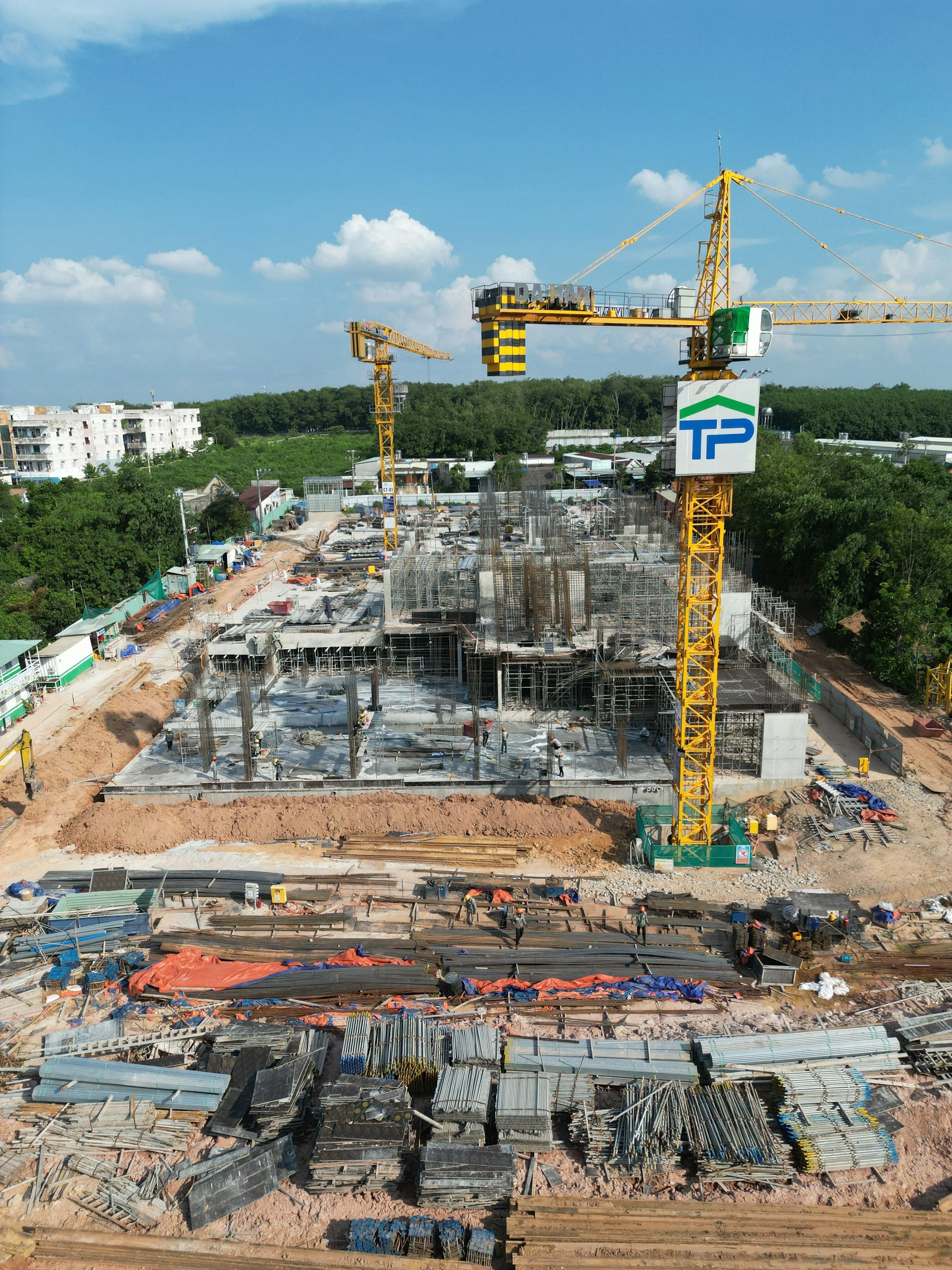
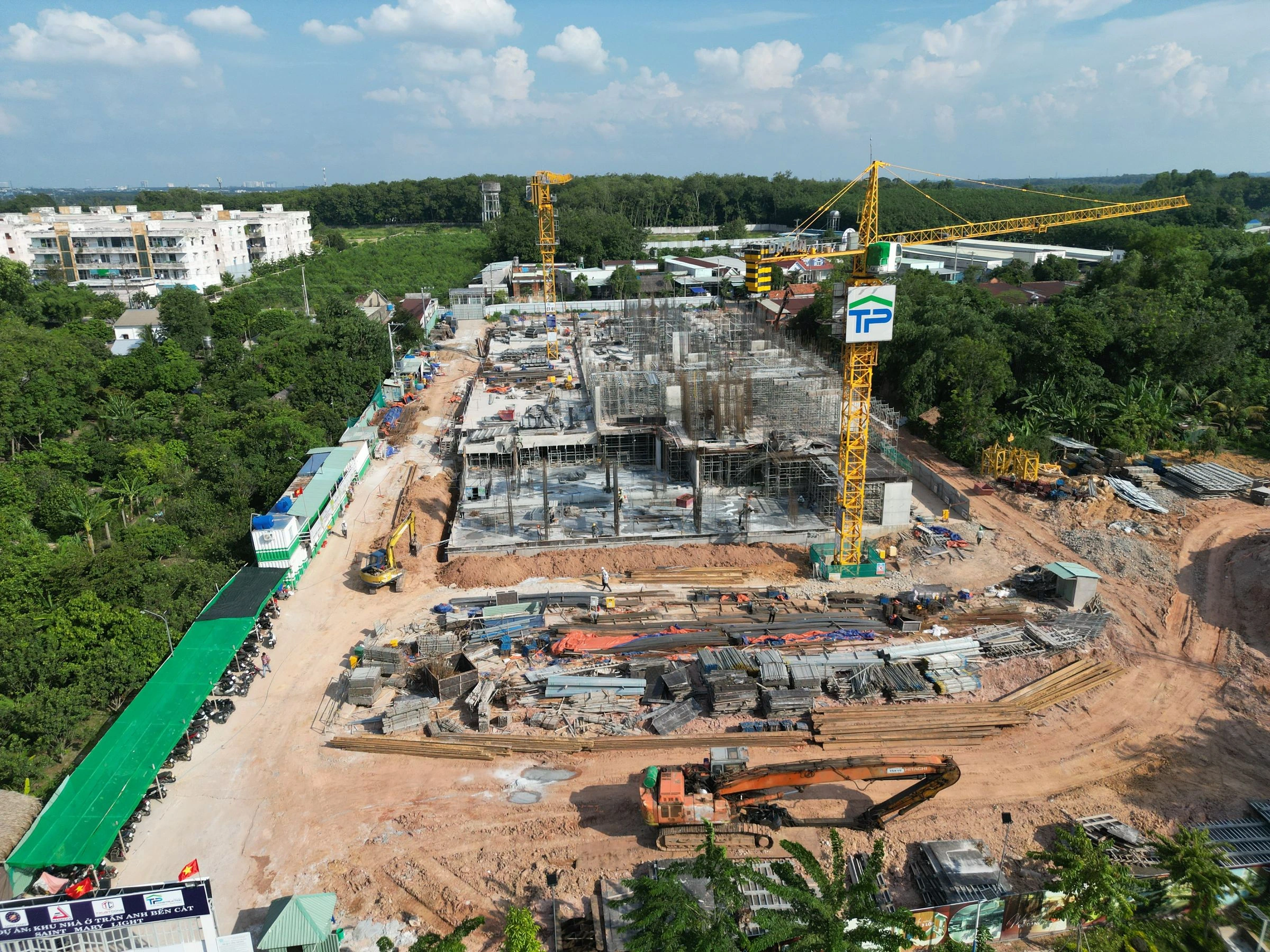
 Illustrative image. Photo by C Dustin on Unsplash. Unsplash License.
A drone can provide a useful perspective on a construction asset, but the aircraft is only one part of a survey commission. The client still needs to define the information required, arrange appropriate site coordination and understand the supplier’s operational responsibilities. A clear brief separates the output the project needs from the means proposed to obtain it, allowing competent providers to assess whether the approach is suitable.
For project managers, the aim is to avoid treating a flight as the complete deliverable. Photographs, measurements and interpreted reports serve different purposes and require different expertise. The commission should explain the intended use and acceptance evidence, while the operator determines the lawful and safe operational arrangement under the current rules applicable to the proposed activity.
Begin with the asset question
Describe what the client wants to understand. An overview of site progress differs from a survey supporting a dimensional decision or an inspection requiring specialist interpretation. Identify the receiving person and the action they expect to take. This helps establish whether imagery alone is useful or whether the commission needs survey, technical or other professional input in addition to capture.
State the relevant area, elements and information gaps. Avoid asking for a general drone survey without explaining the purpose. A supplier may deliver attractive footage while leaving the consequential question unanswered. The brief should give enough context for the provider to identify limitations and propose an appropriate output rather than guessing what the client intends to infer.
Separate operator and technical roles
Identify who is responsible for flight operations and who will assess or interpret the resulting information. These roles may be held by the same organisation, but they should not be assumed identical. Capability to operate an aircraft does not by itself establish competence to advise on every building condition shown in an image. The project should obtain the relevant expertise for the intended use.
The Civil Aviation Authority’s guidance on flying drones for work provides current regulatory context. The operator should establish the category and permissions applicable to the actual activity. Clients should not rely on outdated terminology or assume that one document automatically authorises every proposed flight and location.
Provide the site context
Explain known site activities, access arrangements and coordination contacts. The operator needs information relevant to planning its work, while the site team needs to understand the proposed activity and its interfaces with operations. Use the project’s established procedures to agree the arrangements. This article does not provide flight or site safety instructions; those require the appropriate competent assessment.
Identify who will communicate changes before the visit. A capture planned around an empty area may be affected if work or occupation changes. The operator should assess the consequence through its procedures. The project should avoid assuming that the original arrangement remains suitable simply because the date is already booked.
Define outputs and their limitations
State whether the requirement concerns photographs, video, survey data, a model or an interpreted report. Ask the provider to explain the proposed content, reference information and expected limitations. If measurement is involved, obtain competent survey advice on the requirements and evidence. Visual sharpness is not a substitute for a defined basis of accuracy and suitability.
Where an inspection is intended, clarify what can be assessed from the proposed capture and what may remain inaccessible or uncertain. A competent specialist should determine the scope of interpretation. The output should not imply that concealed or obscured conditions have been inspected merely because the external surface appears in an image.
Agree timing around the decision
Identify when the information is needed and allow time for processing, review and response. A flight date is not necessarily a delivery date for an assessed output. The programme should include the full information sequence. If environmental or operational conditions could affect capture, ask the supplier how the commission addresses rescheduling and what the project must provide.
Consider a hypothetical roof investigation supporting a refurbishment decision. The client may need a specialist’s findings before selecting the next investigation or work package. The brief should therefore define the interpreted output and its timing, rather than booking imagery immediately before the decision meeting and assuming there will be no further assessment.
Review access, information and privacy arrangements
Bring relevant client and project advisers into the review where capture may include sensitive areas, people or neighbouring property. They should establish the appropriate information handling and communication arrangements for the actual commission. A standard supplier process may need consideration against the site context and the organisation’s requirements.
Agree who receives the outputs, where they are stored and what uses are permitted under the appointment. Distinguish the project’s survey record from any proposed marketing use. The relevant commercial and legal teams should review the terms. A client should not discover after delivery that the expected access or reuse arrangement differs from what was purchased.
Evaluate proposals beyond the flight price
Compare suppliers on a common scope, including preparation, processing and interpretation where required. Ask what is excluded and what depends on further information. An offer for capture alone is not directly equivalent to a commission that includes a professional assessment. Record those differences through the procurement process before making a recommendation.
Check the evidence relevant to the proposed roles and responsibilities. The operator’s arrangements and the technical adviser’s capability should be assessed through the organisation’s appropriate processes. Avoid relying only on examples of visually impressive previous work. The important question is whether the supplier can deliver the defined information through an acceptable operational arrangement.
Set a clear acceptance process
Identify who will review the delivery and what establishes an acceptable result. Administrative receipt, image coverage and technical interpretation involve different checks. The person receiving a download link should not be assumed to have accepted every aspect of the commission. Keep outstanding matters visible and obtain the relevant reviewer’s response.
Require the output to identify capture dates, locations and significant limitations, in the form agreed for the commission. If areas were not captured, record them explicitly. The project can then decide whether further work is needed. Silence about a gap should not be interpreted as confirmation that the area was assessed and found unremarkable.
Maintain a traceable project record
Store the agreed outputs with the brief and supporting context under the project’s information arrangements. Preserve the relationship between original capture and any annotation or interpreted report. A later reviewer needs to understand what the evidence actually showed and what conclusion the specialist drew from it. Keeping only a selected presentation can lose that distinction.
If repeated surveys are planned, agree how observations will be compared and which changes affect interpretation. A difference in viewpoint or capture conditions may influence the apparent result. The appropriate specialists should define the comparison rather than leaving the client to infer progress or condition from two images presented side by side.
At close-out, review whether the commission answered the original question and what further evidence it revealed as necessary. Retain those lessons for the next brief. A well-scoped drone survey gives the project a defined source of information, clear responsibilities and an honest account of limitations. Its success is the usefulness of the evidence, not simply completion of the flight.
Keep any public-facing description of the work consistent with the commission. An illustrative image or overview should not be promoted as proof of a detailed technical conclusion unless the relevant assessment supports that claim. Ask the responsible adviser to review consequential wording before the organisation reuses the output for another purpose.