Design for disassembly: translating intent into project decisions
Admin · 22 October 2026
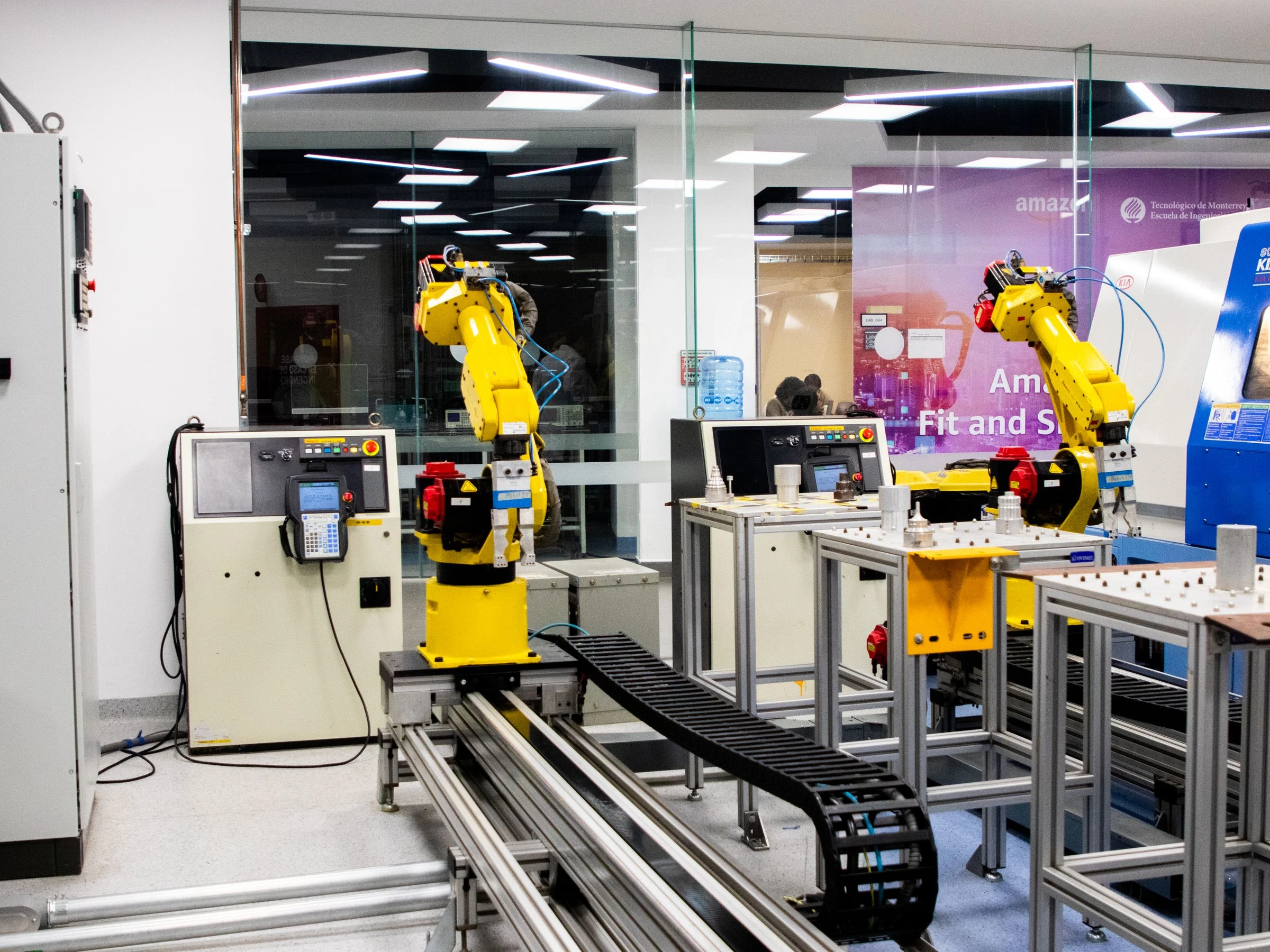
 Illustrative image. Photo by Jeriden Villegas on Unsplash. Unsplash License.
A brief can ask for a building to support future disassembly without explaining what that means for design or procurement. The aspiration becomes useful when the client identifies the elements, scenarios and information it wants the team to consider. Designers and specialist suppliers can then assess options against defined requirements. Without that translation, circularity can remain a statement in the sustainability narrative while everyday package decisions follow an unrelated basis.
UKGBC’s circular-economy principles include design for assembly, disassembly and recoverability. The project still needs competent technical assessment for its actual proposal. This article suggests a decision workflow rather than connection details, a dismantling method or a guarantee that a material will have a future reuse market.
Define the scenario being considered
Ask the client what future change matters. Replacing an interior component, adapting a floor and recovering major elements at a later stage are different scenarios. State the purpose and scope of the assessment. A general promise that the whole building can be taken apart can conceal assumptions that the project has not examined.
Record the time horizon and uncertainty without inventing precision. The client may reasonably want to improve future options while acknowledging that ownership, markets and requirements can change. Distinguish what the project can demonstrate now from what depends on future circumstances. That makes the aspiration more credible and gives reviewers a basis for asking useful questions.
Choose consequential elements
Identify where the design team should focus its effort. The client and relevant specialists can consider the scale of an element, expected change and interactions with other work. The selection needs an explained basis. Attempting to assess every component at equal depth can consume effort without improving the decisions that most influence the proposed outcome.
Give the chosen elements stable references and identify the responsible designer or coordinator. Record the output required from the assessment and when it must be available to affect procurement. This connects the circularity objective to the ordinary project information schedule rather than leaving it as a separate report issued after the relevant choices are fixed.
Ask specialists about interfaces
The relevant designers should examine how an element connects to adjacent construction and what future intervention would involve. Technical suitability, safety and performance requirements remain part of the assessment. A connection that appears removable in principle is not automatically appropriate for the project. The decision needs competent review of the complete arrangement.
Identify information required from suppliers and other disciplines. Their contribution may affect the proposal and its limitations. Record which details are confirmed and which are provisional. A diagram illustrating an idea should not be treated as evidence that every practical requirement has been resolved.
Consider access and sequence
Ask how a future intervention could reach the element and what surrounding work would be affected. The appropriate specialists should assess the scenario at a level suitable to the design stage. The project should not prescribe an unreviewed dismantling method. Its management task is to make the dependency visible and obtain the evidence needed for a reasoned choice.
Consider a hypothetical office partition intended to support later reconfiguration. The selected arrangement may appear separable, while service routes or adjacent finishes complicate the wider change. An interface review can establish what the proposal actually supports and what further work a future project would need to assess.
Compare alternatives on the same basis
Record the requirement each option is intended to satisfy and the assumptions behind its expected benefit. Include consequential effects on design, manufacture, installation and operation, with appropriate specialist and commercial input. An isolated comparison of one component can miss effects elsewhere in the project.
Where carbon, cost or recovery benefits are quantified, use a suitable assessment method and state the data and limitations. Avoid inventing future resale values or treating a supplier’s general claim as a verified project result. If evidence is incomplete, explain the uncertainty and identify the decision the available information can reasonably support.
Make procurement requirements specific
Translate accepted design intentions into package information through the project’s normal procedures. Ask for the relevant supplier evidence and identify who will review it. A broad instruction to provide circular products may produce marketing descriptions rather than information useful to the actual proposal. The enquiry should explain the question the project wants answered.
Clarify the responsibility for connected details and information. A supplier may describe its product while another party designs the interface that controls the future scenario. Assign coordination ownership and resolve scope gaps through the appropriate appointments. The intended benefit should not depend on work that nobody has agreed to undertake.
Review substitutions against the intent
A proposed alternative can preserve appearance or initial performance while changing the basis of future intervention. Ask the relevant reviewers to assess the complete consequence. Include the client where the proposal changes an accepted objective. Do not assume that an equivalent label covers every aspect of the original decision.
Record the accepted change and update the relevant information. Preserve the reason where the project decides not to pursue an earlier disassembly intention. Honest reporting is more useful than retaining the original claim after the design basis has changed. The final account should describe what was actually considered and delivered.
Plan the supporting records
Ask what information a future owner or adviser would need to understand the accepted arrangement. Product identities, interfaces and relevant design limitations may be important, as determined by the project. Connect that requirement to the handover plan early. A future-facing objective loses value if its supporting information is not retained in an accessible form.
Keep the records linked to actual installed selections and approved changes. A general design guide may be useful context but may not explain a particular element. The recipient should be able to distinguish the delivered proposal from options studied and rejected during design.
Include the operator’s perspective
Discuss maintenance and foreseeable replacement with the receiving team. An approach intended to support future change also needs to function under present operating conditions. The relevant specialists should assess any tension between those objectives. The client can then make an informed choice rather than discovering an operational consequence after installation.
Explain the limits of the information at handover. The record is not automatic permission to undertake later work without suitable assessment. Future conditions, regulations and requirements may differ. The useful output is a clear basis for future advisers, with the original assumptions and accepted details available to inform their work.
Test the claim before reporting it
Review the final design and delivered information against the agreed scenario. Ask what evidence supports the statement the project intends to make. Distinguish a design intention, an assessed arrangement and a demonstrated outcome. These are not identical, and reporting should preserve the difference.
Record exceptions and the reason for them. A project can make useful progress in selected elements without claiming that every part of the building has the same characteristic. Specific reporting helps the client understand the investment and gives the next team a more dependable starting point.
Carry lessons into the next brief
Ask which decisions were made early enough and where supplier information arrived too late to influence the outcome. Review the clarity of the original scenarios and the effectiveness of the records. The lesson may concern procurement timing or interface responsibility rather than the selected material alone.
Design for disassembly becomes a practical project objective when the client defines a scope, competent specialists assess it and procurement preserves the accepted basis. Connecting those steps gives the intention a traceable role in decisions while retaining an honest account of the uncertainties that future reuse will still depend on.