Hotel refurbishment phasing: coordinating works with operations
Admin · 22 October 2026
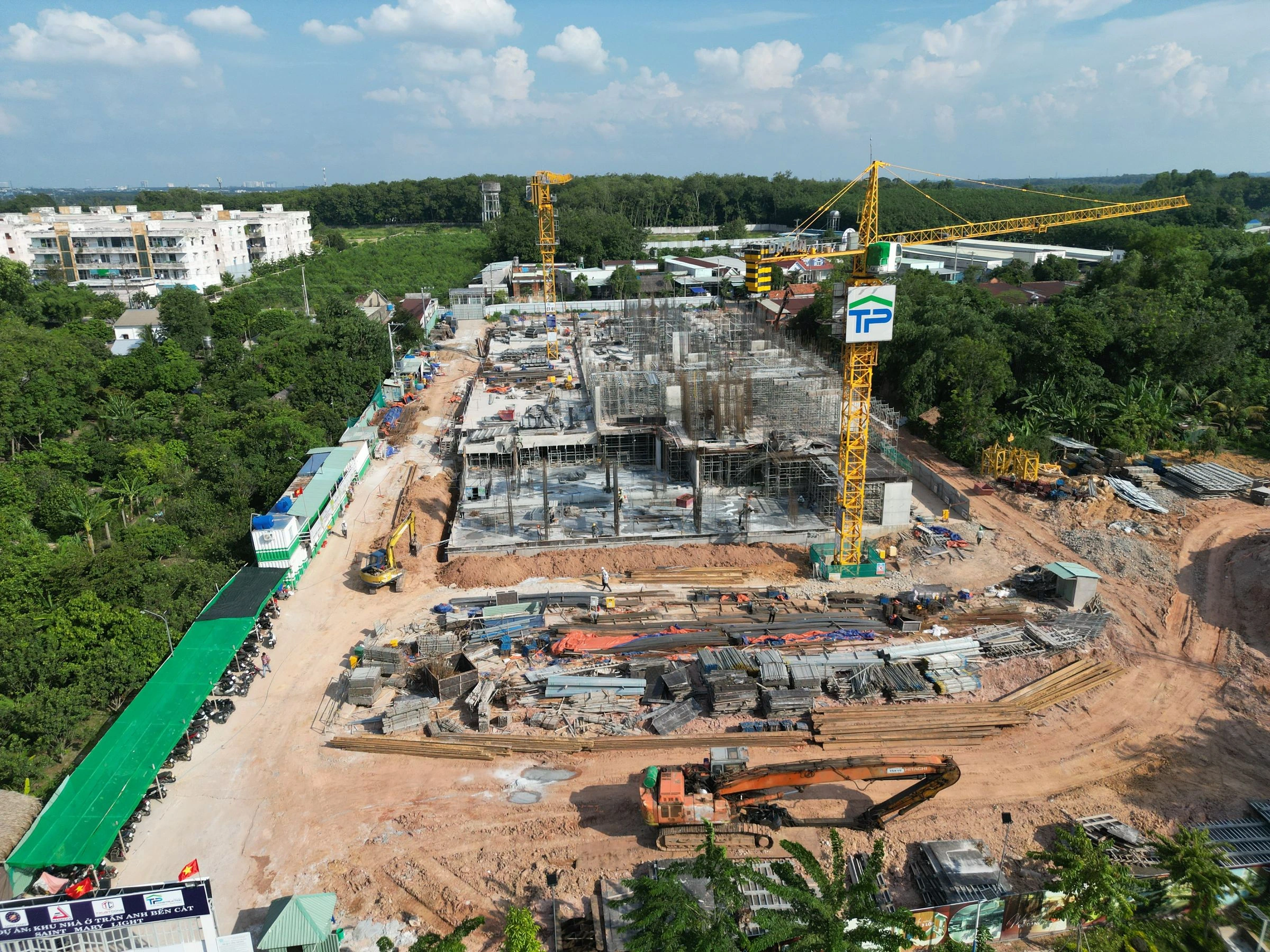
 Illustrative image. Photo by Hammer Group on Unsplash. Unsplash License.
A hotel refurbishment programme has two overlapping sequences: the construction work and the service the hotel continues to provide. Releasing a group of bedrooms can affect housekeeping routes, linen storage and maintenance access as well as room availability. A credible phasing plan considers those connections before treating a floor as an isolated construction zone. The operator’s knowledge is essential to understanding what the proposed arrangement means in practice.
For owners and project managers, the first task is to establish the operating assumptions behind the investment plan. Will the hotel remain open throughout? Which areas may close, when and for how long? What events or commitments constrain the dates? Record who can approve changes. A contractor’s sequence should be evaluated against an agreed operating plan rather than an informal expectation that staff will adapt around the work.
Map the hotel’s daily activity
Review the movement of guests, staff, supplies and waste with the relevant departments. Front-of-house spaces are only part of the picture. Back-of-house corridors and lifts may support several essential functions, and a route that looks spare on a plan may be heavily used during particular periods. Record the activities and times that matter to the proposed phases.
Include maintenance, food and beverage, housekeeping and security representatives in the briefing process where relevant. Their needs can conflict, and the project manager should make those conflicts visible rather than asking each department to approve its own portion separately. Identify the operational decision owner who can reconcile competing priorities and confirm an arrangement for the hotel as a whole.
Define each phase as an operational change
Describe the areas transferred to construction, the areas retained in service and the interfaces between them. Identify what must be available before a phase begins and what conditions must be met before it ends. A room count alone does not describe the full transition. The hotel may need temporary storage, changed staff routes or revised arrangements for supporting occupied rooms.
Keep the phase boundaries clear in the project information. The responsible teams should assess access, protection and other relevant requirements using the actual conditions. HSE’s guidance on protecting the public provides general context for managing construction interfaces. A hotel project still needs its own competent planning and agreed responsibilities for the operating environment.
Test the room-cycle assumptions
Ask the delivery team to explain how a typical room moves through strip-out, preparation, installation, inspection and handback. Identify dependencies between trades and the information needed before work starts. Where a sample room is proposed, state which decisions it is intended to resolve. Its value is greatest when the findings can influence procurement and the repeat sequence.
Do not assume that every room is identical because the hotel markets them under one category. Existing conditions, access and equipment arrangements can vary. Identify the information needed to understand that variation and record the assumptions used in the programme. A repeat cycle should be supported by evidence appropriate to the building rather than an untested duration copied across every room.
Coordinate materials with limited space
Refurbishment packages often involve bulky furniture, bathroom items and finishes that arrive ahead of installation. Compare delivery quantities with the available storage and working areas. Confirm whether the operator can release additional space and on what conditions. A storage assumption that removes service capacity can undermine the operating plan even if it makes construction more convenient.
Agree delivery routes and booking arrangements with the hotel team. Identify who receives goods and what happens if a consignment is incomplete or damaged. Include packaging and outgoing materials in the logistics sequence. The plan should explain how the room installation cycle remains supplied without turning operational corridors into unplanned holding areas.
Plan service interruptions deliberately
Some activities may affect systems serving occupied areas. The relevant specialists and hotel representatives should identify those interfaces, the necessary reviews and the conditions for any interruption. A room-phase boundary does not prove that its systems are independent. Establish the evidence required before the programme assumes an area can be isolated or returned to service.
Record the approval route, notice requirements and responsibilities for each planned interruption. Include preparation and restoration checks in the programme, with appropriate technical input. Avoid describing an interruption as a simple out-of-hours task when the hotel’s night operations may also depend on the service. The operator needs a practical explanation of the effect, duration and contingency arrangements.
Use a joint readiness review
Before starting a phase, review construction readiness and operational readiness together. Are the required areas released? Have the relevant staff been informed? Is the information sufficiently developed, and are the necessary products available? Tailor the review to the work rather than applying a generic checklist that can be completed without examining the dependencies.
Consider a hypothetical bedroom-floor refurbishment scheduled after a conference. The construction team may be ready to begin while housekeeping still needs time to clear rooms and move supplies. A joint readiness review exposes that handover requirement. The programme can then include a realistic transfer period instead of treating the end of the event as immediate access for every trade.
Agree what makes a phase ready to reopen
Define the evidence and operational preparation needed before rooms or public areas return to use. Relevant inspections, testing, cleaning and staff familiarisation should be planned by the responsible teams. Distinguish the construction completion process from the hotel’s decision to accept bookings or open a facility. Both need clear ownership and an achievable sequence.
Review unresolved items individually. Some may prevent the intended use, while others may be managed through the project’s agreed arrangements. The decision requires the appropriate authority and expertise, rather than pressure to declare an entire phase complete. Record responsibilities and access requirements for any work continuing after operational handback.
Give operating teams reliable forecasts
Agree how the project communicates upcoming disruption and phase readiness to the hotel. The useful message identifies the affected area, expected period and confidence of the forecast. A broad statement that the work is on programme may not help reservations or housekeeping decide what to do. State which dates are confirmed and which depend on outstanding work.
When the forecast changes, explain the cause and the decision needed. The operator can then assess its own commitments using current information. Preserve a single agreed version of the phase plan, with clear ownership, so that different departments do not receive contradictory reopening dates from informal conversations.
Keep change decisions connected
A late finish or equipment change can affect procurement, room sequencing and staff preparation. The APM change-control overview gives general context for assessing changes to an approved basis. On the hotel project, use the actual governance and contract to establish who assesses, approves and communicates the revised arrangement.
Show the operator the consequences in terms it can evaluate, including the areas and periods affected. Avoid presenting a product decision without explaining its phase implications. Update the current programme and operating plan together so that sales, operations and construction are not working towards incompatible dates.
Improve the sequence between phases
Review the first completed phase before repeating the arrangement. Ask which assumptions held, where handovers were delayed and whether the operator received the information needed. Involve the people doing the work as well as project leadership. Small changes to delivery timing or inspection preparation can have value when they are applied consistently across later phases.
Keep the lessons specific and assign actions before the next phase begins. Preserve the agreed room standards, current information and remaining exceptions in a controlled record. A successful hotel refurbishment sequence allows construction and operations to explain their commitments to each other, with clear transfers of space and evidence supporting each return to service.