Managing inspection access in the construction programme
Admin · 22 October 2026
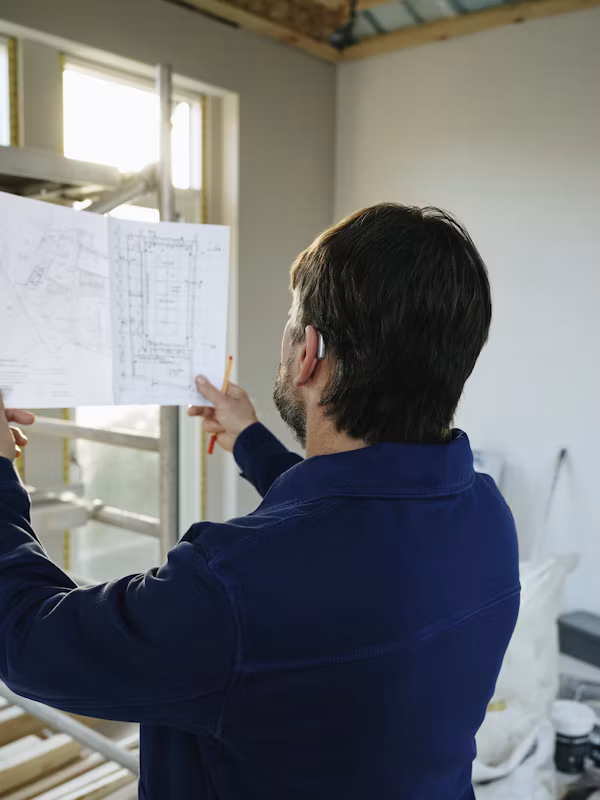 Illustrative image. Photo by GN Group on Unsplash. Unsplash License.
An inspection requirement is not fully planned when it appears only in a quality document. The programme must allow the relevant people to examine the work under suitable conditions before the sequence removes that opportunity. Access, preparation, information and attendance all matter. If they are left until the last moment, the project may face delay or missing evidence even though everyone knew an inspection was required.
For planners, package managers and quality teams, the task is to connect the technical review requirements to the actual sequence of work. Competent specialists determine what needs inspection and how. The planning process identifies the dependencies, assigns coordination and gives the team a practical route to make the required activity happen.
Translate requirements into activities
Review the inspection and quality requirements established for each package. Identify the activities needing programme attention and the work or decision they support. Not every administrative check needs a separate programme line, but consequential review points must be visible at an appropriate level. The team should understand what is required before the next activity proceeds.
Describe the readiness condition for the inspection. The responsible specialists should establish the actual criteria and evidence. A calendar date alone does not show that the work is available for review. The programme needs to reflect preparation and any associated submissions, so attendance is requested on a meaningful basis.
Identify when access changes
Ask package leads when subsequent work alters visibility or physical access to the item being reviewed. The appropriate specialists should assess the consequence and establish the required arrangement. Include the dependency in the sequence. An inspection placed after the relevant work is enclosed may not serve the intended purpose, even if it fits a reporting milestone.
Use area and system references to make the discussion concrete. A broad activity labelled inspect services may conceal many locations progressing at different times. The planning detail should support coordination without becoming unmanageable. Agree the units of work that allow the responsible reviewers to understand what will be ready and when.
Plan attendance as a resource
Identify who must attend or review information, under the project’s requirements. This may involve suppliers, designers, quality staff or other appointed parties. Confirm the notice and submission process with them. A name in a plan does not establish availability, particularly where several areas request the same specialist at once.
Record the person responsible for arranging attendance and confirming readiness. Distinguish that coordination role from the technical authority of the reviewer. If the work moves, notify the relevant people promptly and obtain confirmation of the revised arrangement. Otherwise the programme can show a new date while the reviewer still expects the original visit.
Make information available beforehand
Ask the reviewer what information is needed to assess the work. The responsible technical team should define the relevant documents and status. Provide them through the agreed channel with sufficient time for preparation. An inspection can be delayed by missing or inconsistent information even when the physical area is accessible.
Keep the inspected arrangement aligned with the current accepted design. If a change is unresolved, identify its effect on the review before attendance. A reviewer should not have to determine on arrival which of several competing drawings represents the intended work. Clear references improve the quality and efficiency of the review process.
Coordinate practical access safely
The responsible site team and competent advisers must determine suitable access and working arrangements for the inspection. The requirements depend on the setting and task. This article does not prescribe equipment or methods. Planning should establish who assesses those needs, what preparation is required and when it must be available.
Check interfaces with other activities in the area. An inspection may need space or conditions that conflict with another trade’s planned work. Review those demands in the lookahead process. Asking the reviewer to attend while the area remains unavailable does not protect the programme; it merely transfers the unresolved coordination problem to the inspection date.
Use a readiness confirmation
Before requesting the final visit, confirm the agreed prerequisites with the relevant package lead. Identify the work available, information status and any exceptions. Tailor the process to the significance of the review. A short, specific confirmation is more useful than a generic checklist that can be marked complete without checking the actual conditions.
Consider a hypothetical ceiling-zone review before closure. The work may be largely installed, but an open interface question affects the area to be examined. A readiness discussion lets the responsible team establish the appropriate next step. It avoids assuming that near-completion and readiness for the planned review mean the same thing.
Allow for findings and response
An inspection can identify actions. The programme should not assume that every review produces immediate acceptance with no further work. Ask the relevant team how findings will be recorded, assessed and resolved. Include appropriate response planning where the project requires it, based on competent advice and the actual sequence.
Do not treat a contingency allowance as permission to leave known preparation incomplete. The aim is a realistic plan that acknowledges uncertainty while pursuing readiness. If a significant issue is already known, identify its owner and response before relying on the scheduled inspection to close it automatically.
Record outcomes precisely
Use the project’s defined terms to state what was reviewed and the outcome. Identify locations, information references and limitations. An attendance record is not necessarily acceptance of the work. The appropriate reviewer must establish the result within their remit, and the project should communicate what it means for the next activity.
Track actions with owners and dates linked to programme consequence. Some may need resolution before further work, while others follow a different agreed route. The relevant authority determines that treatment. Avoid reporting every observation as either harmless or a complete stop without the assessment needed for the actual issue.
Keep changes connected to evidence
If the work changes after review, ask the responsible specialists whether further assessment or evidence is required. The earlier result may have a defined scope. Preserve its history and identify the accepted current position. The APM configuration-management overview provides general context for controlling versions and traceability.
Update the relevant programme and quality records together. A reinspection requirement should not remain only in a comment sheet while the programme assumes the area is released. Assign coordination responsibility so the technical decision reaches the people organising the next work front.
Review coordination performance
Examine missed, aborted or repeated visits and identify the reasons. They may concern information, readiness, attendance or access. Use those categories to improve preparation rather than merely count inspections completed. A high number of visits can indicate activity without demonstrating that the review process is helping the sequence progress reliably.
Discuss lessons with the reviewers and delivery teams. Adjust notice periods, information requirements or readiness checks where evidence supports a change. The aim is a workable arrangement that respects technical requirements and the realities of the site, rather than a process designed only around the convenience of one participant.
Preserve the handover relationship
Associate the accepted records with the relevant work and final information requirements. This helps the receiving team understand what evidence exists and where exceptions remain. An inspection programme is most useful when its outcomes remain traceable, rather than disappearing into meeting notes once the immediate work front moves on.
Planning inspection access means treating review as part of delivery. It gives the right people a genuine opportunity to examine prepared work and creates a clear route from finding to decision. That connection helps the project avoid losing evidence or disrupting later activities through a dependency it could have identified earlier.














