Construction waste plans: separating prevention from diversion
Admin · 22 October 2026
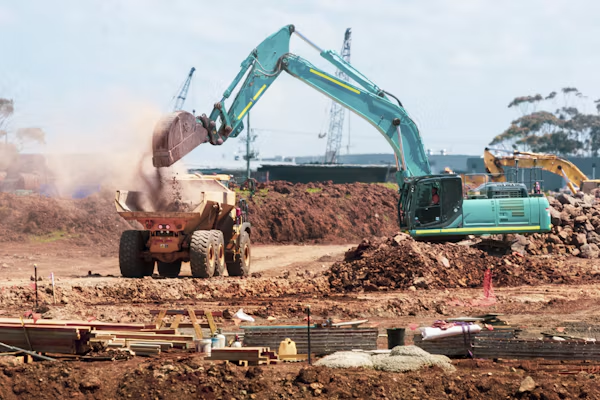 Illustrative image. Photo by Troy Mortier on Unsplash. Unsplash License.
A construction project can report a high proportion of waste sent away from disposal while still generating avoidable waste in the first place. Prevention and the management of material already classed as waste are different parts of the project story. A useful plan makes both visible, with clear definitions, accountable actions and evidence that supports the claims the team intends to report.
For project managers and buyers, the aim is to connect decisions in design and procurement with site practice and reporting. The relevant environmental and legal advisers should establish current requirements for the location, materials and activities. This article focuses on management and evidence rather than providing waste classification, handling or regulatory instructions.
Define the plan’s purpose and scope
Identify which project activities and material streams the plan covers, with the appropriate specialist input. Explain how it relates to the client’s requirements and the package arrangements. A document that promises broad outcomes without allocating responsibility is difficult to implement. The receiving teams need to understand what actions and records are expected from them.
The government’s guidance on applying the waste hierarchy provides relevant context for distinguishing prevention from subsequent management routes. The project should confirm current applicable requirements through competent advice. A general hierarchy reference does not determine the lawful or suitable treatment of every material on a particular site.
Look upstream for prevention opportunities
Ask the design and procurement teams where avoidable material demand or rework could arise. The appropriate technical teams should assess potential changes against the project’s requirements. Prevention should not become an excuse to omit necessary scope or bypass design verification. The process needs a clear account of the proposed action and the outcome it is intended to improve.
Record prevention actions before the relevant commitments. A late site plan cannot easily change an order already placed or a design decision already manufactured. Link actions to package dates and identify who must provide information or approval. This gives the team a practical route to influence the work rather than describing aspirations after the opportunity has passed.
Separate different outcome categories
Agree reporting definitions with the responsible advisers. Distinguish material not purchased, retained items and the routes used for material already generated, as appropriate to the project’s method. Avoid combining unlike outcomes into one unexplained percentage. The recipient should understand what the figure represents and which activities remain outside its boundary.
A hypothetical fit-out project may reduce an order through a revised layout while also managing packaging through an agreed waste route. Both can be useful actions, but they are not the same outcome. The plan should preserve the distinction and the evidence behind each, rather than implying a movement in one measure proves improvement across the entire material process.
Assign responsibilities across packages
Identify who develops, implements and monitors each consequential action. Review the allocation through the actual package scopes and agreements. A main contractor’s plan can contain a requirement that suppliers have not received or included. The procurement information should make expectations clear and identify the evidence required from contributors.
Include the people responsible for site logistics and operations in the relevant discussion. The appropriate specialists should establish suitable arrangements for the actual materials and work. The management plan coordinates those requirements and dependencies; it does not substitute generic instructions for competent environmental and safety assessment.
Connect procurement information to site reality
Ask suppliers to explain the information and arrangements relevant to the agreed prevention objectives. This might concern quantities, packaging or delivery assumptions, depending on the package. The technical and commercial teams should assess proposals consistently and record what is accepted. General statements of sustainability are not a complete basis for implementation.
When scope or orders change, review the effect on the plan. A substitution or sequence adjustment can alter expected quantities and site demands. Keep the current position aligned across procurement, logistics and reporting. Otherwise the team may measure performance against an assumption that no longer describes the work being delivered.
Build a traceable evidence system
Define the records needed for the project’s reporting method and applicable obligations through the relevant advisers. Identify who collects, checks and retains them. Administrative receipt and verification of meaning are different activities. The plan should explain the assurance actually obtained rather than assuming a document from another party proves every associated claim.
Keep source references and reporting periods clear. Where quantities are estimated or coverage is incomplete, state the limitation. Missing records should not silently become zero or be assigned to a favourable category. The project needs an honest account of uncertainty and a named action to obtain or clarify consequential information.
Check destinations and claims appropriately
The responsible environmental and legal teams should assess the proposed arrangements and evidence for the actual material routes. The project should understand what has been confirmed and what remains an assumption. Avoid inferring a final outcome solely from a collection label or a broad supplier description without the review required by the reporting method and applicable requirements.
Where the project makes an environmental claim, explain the boundary, definitions and evidence. A concise statement can remain accurate if it preserves the context needed for interpretation. Do not promote an intended route as a completed result or count the same material more than once across several measures.
Use reviews to change behaviour
Review the causes of avoidable waste and the actions within the team’s influence. A report that only totals outgoing material may identify volume without explaining why it arose. Connect findings with design, procurement or site-process questions and obtain the appropriate assessment. The aim is to improve the process, not simply change the category in which the outcome is reported.
Prioritise actions by consequence and practicality. A recurring issue on a repeated package may deserve attention before the next order. Assign an owner and the evidence needed to assess the response. Keep the decision and follow-up visible so the plan becomes part of project management rather than a document updated only for external reporting.
Manage changes and exceptions openly
If an agreed route becomes unavailable or an assumption proves wrong, record the change and obtain the appropriate specialist advice. The team should use the project’s actual approval and compliance processes. An alternative should not be adopted solely to preserve a target narrative without assessing its suitability and requirements.
Explain significant movements in reported performance. A scope change, revised classification or improved evidence can alter the figures without representing a change in underlying behaviour. The client needs that context to understand the result. Keep the history traceable rather than rewriting earlier reports as if the new basis had always applied.
Close with evidence and lessons
At close-out, reconcile the agreed records and identify outstanding limitations. Preserve the final scope and reporting basis with the outcome. A future reviewer should be able to understand what the project measured and what evidence supports it. The plan’s legacy is stronger when the organisation can distinguish an evidenced result from an ambition that remained incomplete.
Use the experience to improve the next brief and procurement sequence. Record where early decisions prevented demand or rework and where site arrangements managed generated material effectively. Both matter, but they answer different questions. Keeping that distinction clear gives the client a more useful account of resource management and a better basis for future action.
Review the plan when the site layout or package sequence changes. The accepted management arrangement may depend on space, access or collection assumptions that no longer apply. The relevant competent teams should assess the consequence and update the controlled position before the next activity relies on it.














