Retrofit surveys: coordinating fabric and services investigations
Admin · 22 October 2026
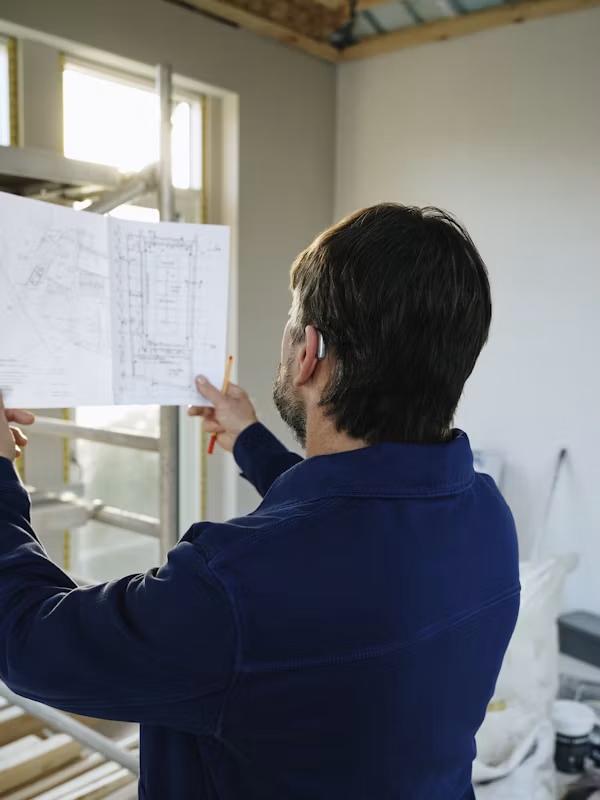 Illustrative image. Photo by GN Group on Unsplash. Unsplash License.
A retrofit team can commission several surveys and still lack the evidence needed for a coordinated decision. One report may describe the building fabric, another the services, while neither addresses the relationship that determines whether a proposed intervention is suitable. The client needs an investigation plan organised around the project’s questions, with clear scope, interfaces and limitations for each specialist commission.
For project managers, the task is not to prescribe technical survey methods without expertise. It is to explain the intended decisions, bring the relevant advisers together and ensure that their outputs can be used coherently. A survey should reduce a defined uncertainty or identify the next investigation required. More reports do not automatically produce a better understanding of the asset.
Start with decisions and uncertainties
List the questions that could change the scope or option choice. These might concern existing conditions, operational patterns or an interface between proposed work and retained systems. Ask the relevant specialists what evidence they need to advise on those questions. This allows the investigation budget to follow decision significance rather than a standard sequence of unrelated appointments.
Distinguish information needed now from information required before later commitments. An early feasibility question may not need the same detail as a developed installation decision. The advisers should define appropriate stages and limitations. The client then understands what the initial work can establish and why further investigation may still be necessary.
Review existing records critically
Collect available drawings, maintenance information, past surveys and operating records. Identify their source, date and coverage. They can guide the investigation without being accepted as a complete description of current conditions. Ask the specialists to state where reliance is reasonable and where verification is needed for the intended advice.
Keep contradictory information visible. If two records show different arrangements, do not quietly choose the one that best suits the concept. Assign the question and record how it will be resolved. This preserves the evidence trail and prevents an uncertain condition from becoming a firm design assumption merely because it appears in a convenient digital file.
Agree the interfaces between commissions
Identify what each adviser needs from others and when. A fabric investigation may reveal a condition relevant to services proposals, while services information may affect the scope of building work. Define the exchange and its owner. Separate appointments should not mean separate assumptions about the same asset.
Hold a focused scoping discussion where the interfaces are consequential. Ask the advisers to explain the coverage, access needs and limitations of their proposed work. The aim is to identify gaps and sequencing issues before site visits occur. A project manager should not assume that overlapping report titles mean the interface has been assessed.
Plan access through the operator
Explain occupation, sensitive areas and operational restrictions to the survey team. The relevant competent people should define the safe and appropriate arrangements under the project’s procedures. The client needs to know which areas can be examined and which remain inaccessible, because those limits affect the advice and subsequent design confidence.
Consider a hypothetical occupied building where key service areas are available only during planned interruptions. Coordinating advisers’ needs can help the project make better use of the agreed opportunity. The arrangement still requires the appropriate technical and operational assessment. The management benefit is a clearer programme and fewer assumptions left unresolved because the necessary access was not planned.
State what was observed and inferred
Ask outputs to distinguish verified conditions, observations, interpretations and assumptions in a form suited to the commission. The exact reporting method belongs to the relevant professional scope. The client should be able to understand the confidence and coverage behind a recommendation rather than assume every statement reflects direct observation.
Record unexamined areas and the consequence for the intended decision. A limitation can be legitimate and important information. It should not disappear in the project summary. If the team proceeds on an assumption, identify the owner, verification plan and commitment before which the answer must be confirmed.
Use a whole-building review
Bring consequential findings together with the relevant advisers. Ask how one condition affects the interpretation of another and which options need reassessment. The project should obtain appropriate technical advice rather than combine separate recommendations mechanically. A measure considered in isolation may have implications beyond the original survey scope.
For historic buildings, Historic England’s whole-building approach provides relevant context for considering connected characteristics and interventions. Its scope should be respected. The actual building and proposed work still require competent project-specific assessment, including the relevant permissions and responsibilities identified by the advisers.
Connect findings to the design brief
Identify which survey conclusions change requirements, options or assumptions. Assign responsibility for updating the brief and relevant technical information. A report can be completed successfully while its consequential findings never reach the design team or cost adviser. Track that handover explicitly so the next project position reflects the new evidence.
Review the impact on programme and procurement with the appropriate team. Further investigation may be needed before a package can be defined, or an option may no longer be credible. The client needs an integrated explanation of those consequences rather than several separate reports without a clear decision request.
Manage new questions deliberately
Surveys often reveal issues not anticipated in the original scope. Record the question and obtain advice on the appropriate response. Do not assume the first consultant must answer every new technical matter without reviewing the commission and expertise required. The project should establish a suitable scope and authority for additional work through its normal processes.
Prioritise follow-up investigations by consequence and timing. Some may be essential before the next commitment, while others can be planned for a later stage. Explain the distinction and preserve the reasoning. A growing list of unranked survey actions can consume resources without giving the client a clearer basis for decisions.
Retain a usable evidence record
Store the reports with their scope, dates, reference information and limitations under the project’s information arrangements. Link significant findings to the decisions they informed. A later team should be able to understand what was investigated and what remains uncertain without depending on the original survey coordinator’s memory.
When conditions or design proposals change, ask the appropriate adviser whether the earlier evidence remains applicable. A survey is a record of a defined commission at a particular time, not permanent assurance for every future intervention. Keeping that boundary clear helps the organisation use its evidence responsibly and identify when further advice is proportionate.
Coordinated retrofit surveys create a coherent route from uncertainty to informed action. Their value lies in the questions answered, the limitations exposed and the decisions improved. Clear commissions, shared interfaces and accountable follow-through make the evidence more useful to designers, operators and clients as the project moves from investigation into delivery.
Review preliminary findings before the final issue
Where the commission allows it, arrange a focused discussion of consequential findings with the relevant disciplines. The purpose is to identify interfaces and questions while the survey team can clarify its observations. It should not pressure the specialist to provide an unsupported conclusion before completing the agreed assessment. Record what is preliminary and what remains subject to review.
Ask whether a finding changes another investigation’s scope or the design programme. A services observation may create a question for the fabric specialist, or an access limitation may affect several planned surveys. Coordinate that information through the relevant owners rather than assuming each separate report will reach everyone who needs it automatically.
After final issue, reconcile the questions with the accepted reports and close the coordination actions specifically. This preserves the surveyors’ conclusions accurately while giving the project a complete view of the next decisions and any evidence still required.